
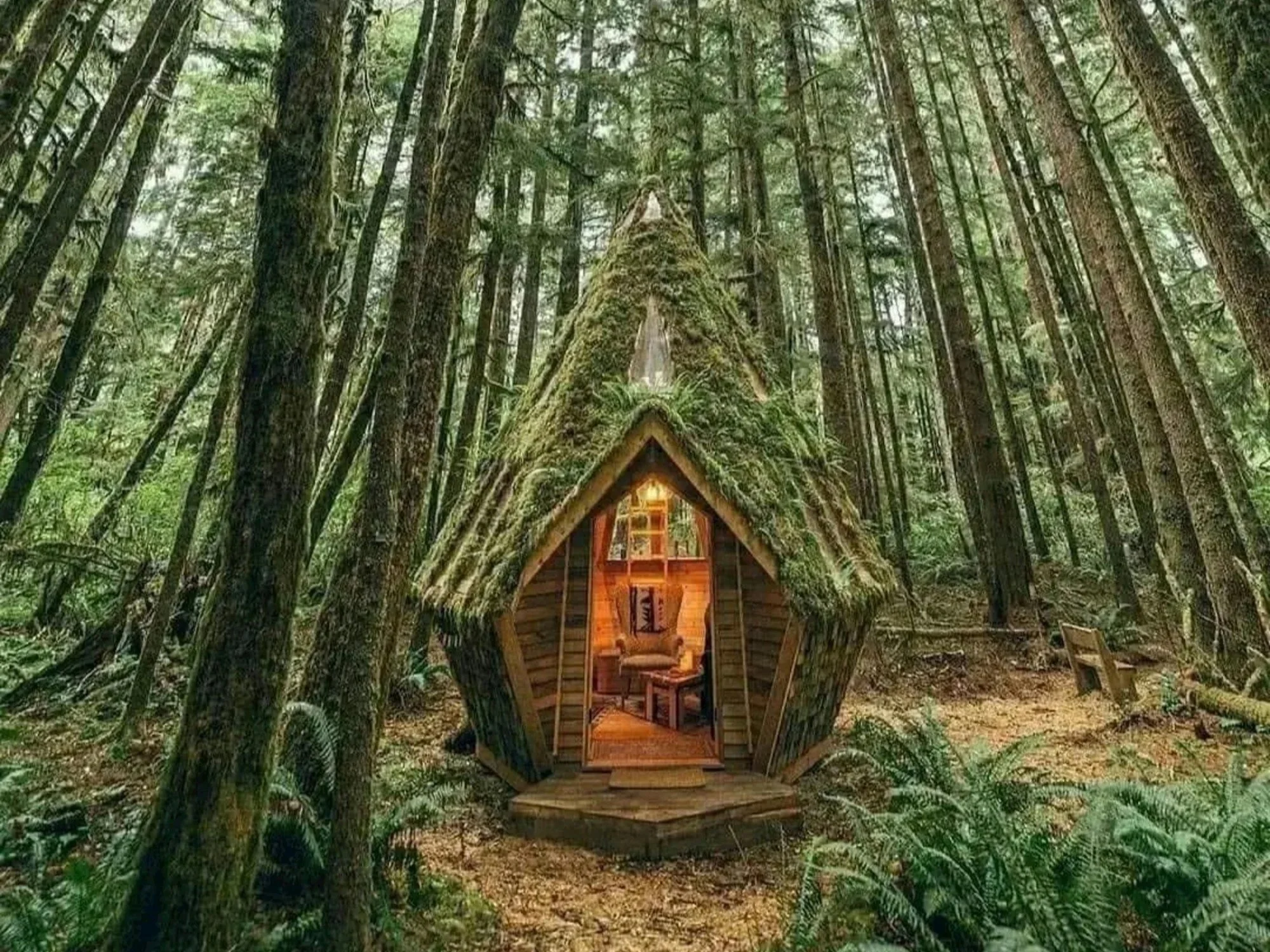
Why a city apartment may sometimes tread more lightly than a tiny cabin in the woods.
Tiny homes are showing up everywhere, or at least the idea of them is. They fill social media feeds and television shows, and they've captured people's imaginations for good reason: the promise of owning a home for less, living with fewer possessions, and spending less time maintaining space we may not truly need. For people priced out of conventional homeownership, or simply worn down by a culture that equates success with having more, that promise feels both practical and liberating. The concept has also moved well past specialty builders and YouTube channels. Home Depot now sells tiny-home frame kits online, and prefabricated structures have started turning up on Temu and other marketplaces, ordered with roughly the same ease as a garden shed.
Then there's the setting we imagine around the house, a tiny home is rarely pictured beside a six-lane road or wedged between parking lots. It appears beneath tall trees, at the edge of a meadow, or resting near a lake, often with solar panels, a rainwater system, and a vegetable garden nearby. The house is selling more than square footage, it’s selling simplicity, independence, and a way back to nature.
The city apartment rarely inspires the same fantasy, even though behind its shared walls sits a different, less photogenic version of living small: one built on shared infrastructure, shorter daily trips, and access to things that don't need to be individually owned.
The dream seems to align two goals perfectly; living with less, and living closer to nature. But those goals don't always point to the same place, and the more interesting question is which life actually leaves the lighter footprint: the tiny house among the trees, or the modest apartment from which we go out to visit them.
The appeal is about more than square footage
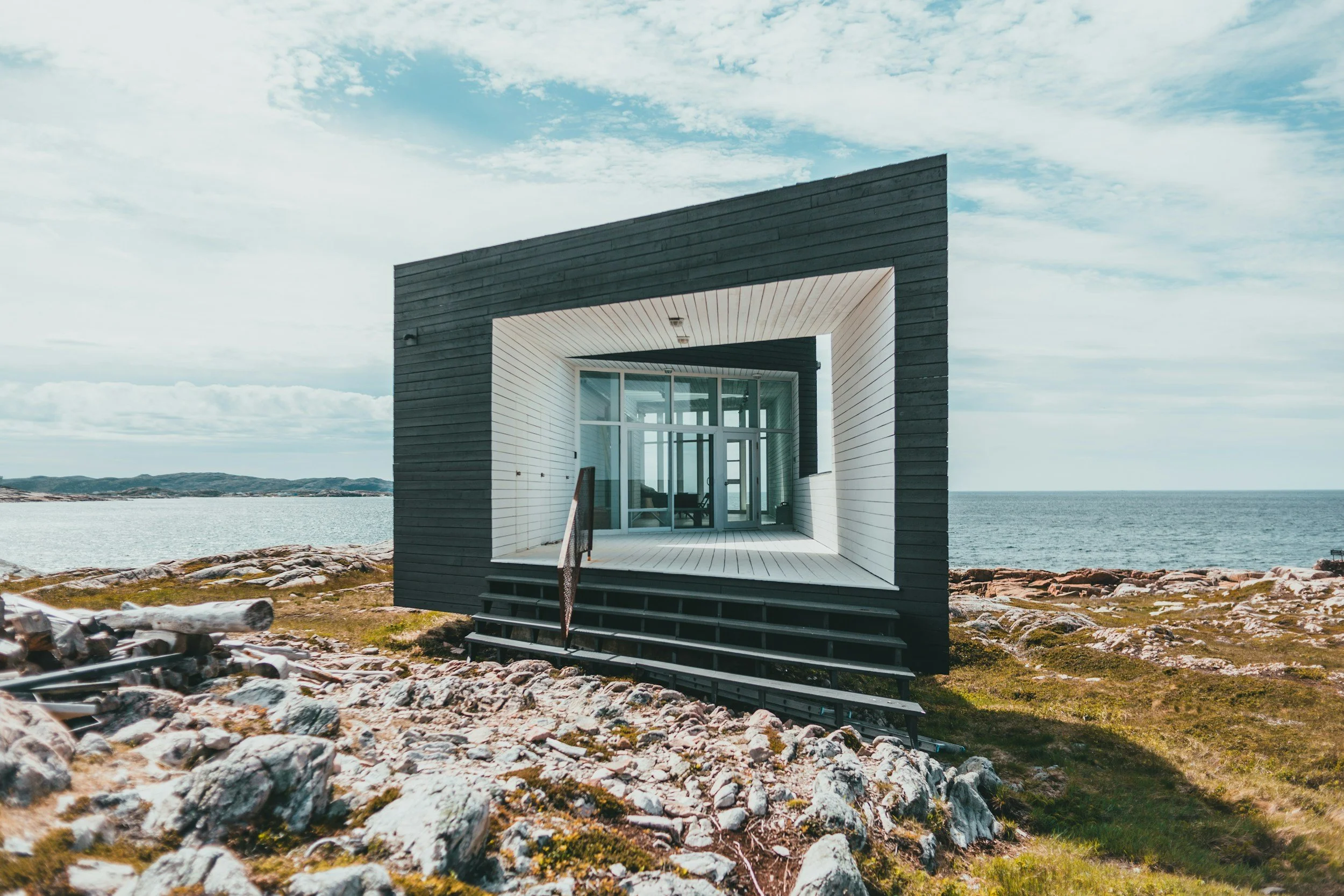
The pull of a tiny home isn't hard to understand. A smaller house takes fewer materials to build and less energy to heat, cool, light, and furnish. Limited storage discourages the kind of buying that fills closets nobody opens, and a smaller mortgage can buy back time that would otherwise go toward paying for space. Tiny homes also push back on a cultural assumption that's gone mostly unquestioned for decades: that success is measured, in part, by the size of the house we own.
But the dream is rarely only about the building, it's about having a place that's truly one's own, and about the privacy and permanence that come with it at a moment when both feel harder to secure. Add trees, open sky, and room to grow something, and the pull gets stronger still. None of this should be dismissed as naive. People genuinely feel calmer and more grounded outside dense urban environments, and wanting to hear birds, see stars, and experience the seasons directly is a reasonable thing to want. It may be that wanting a smaller house and wanting a private piece of nature aren't necessarily the same environmental proposition, even though the tiny-home aesthetic treats them as one and the same.
Thinking Bigger About Living Smaller
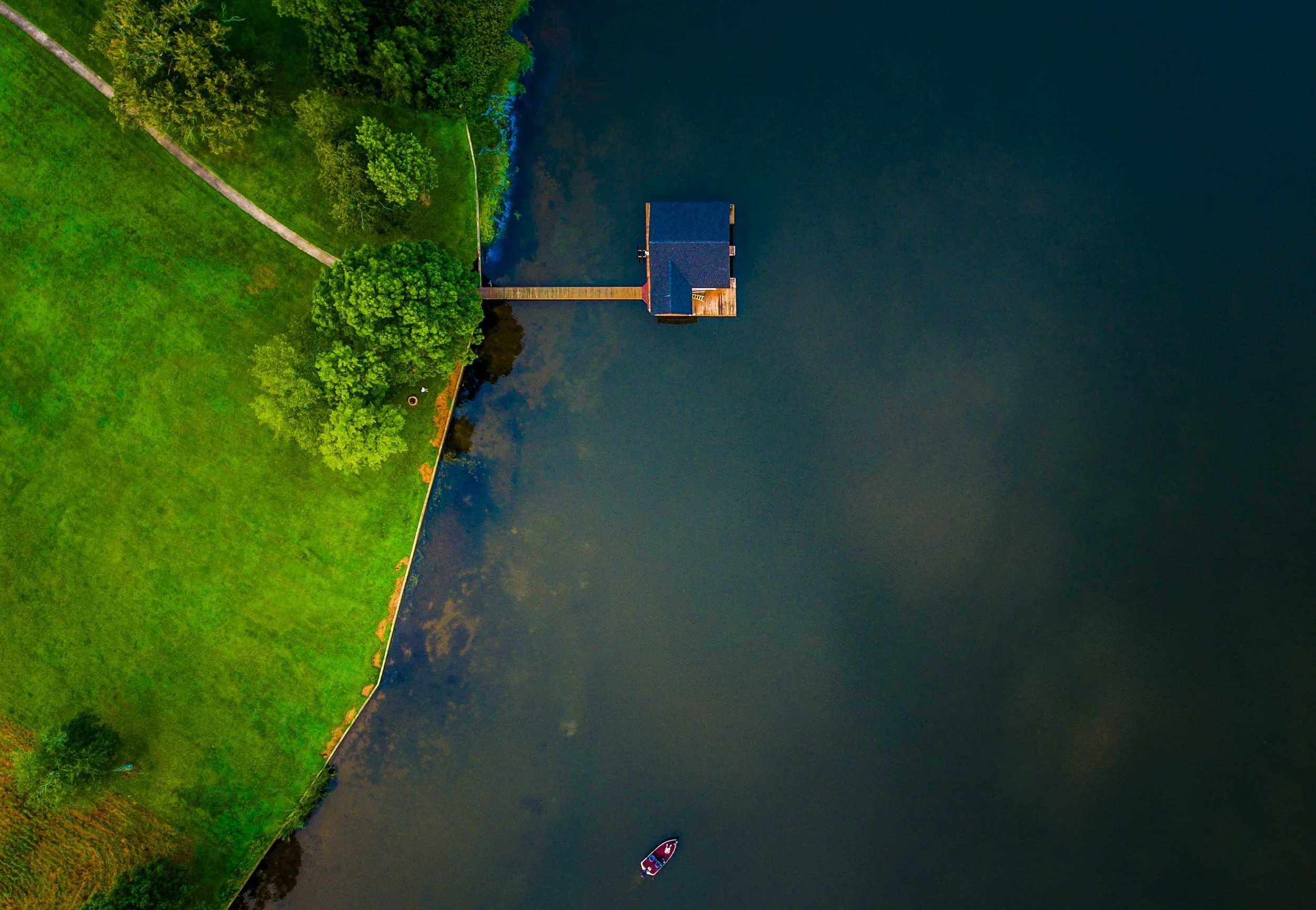
A tiny home uses little space inside its walls, but its real footprint extends well beyond them, into the land beneath it, the road that reaches it, and the distance its occupants have to travel for work, groceries, healthcare, and community. It includes the source of its water and electricity, the handling of its sewage and waste, and the infrastructure required for internet access and deliveries. If the house sits on undeveloped land, that footprint grows further still, potentially requiring site clearing, a driveway, a foundation, a well, or a septic system before anyone moves in.
A single small home doesn't disturb much on its own. Repeated across a landscape, though, low-density development divides habitat, consumes open land, and demands more roads and services than the same number of households would need if they lived closer together. This is the paradox: the building can be compact while the lifestyle around it spreads outward. Even the appealing price tag on a tiny-home frame kit can obscure this, since what's listed ranges from bare steel frames to more complete modular units, with land, permits, site preparation, utilities, and professional labor often still left to the buyer. Buying the structure, in other words, is only the beginning; a dwelling is never just a product, it's a piece of a much larger system.
The less romantic sustainability of city life
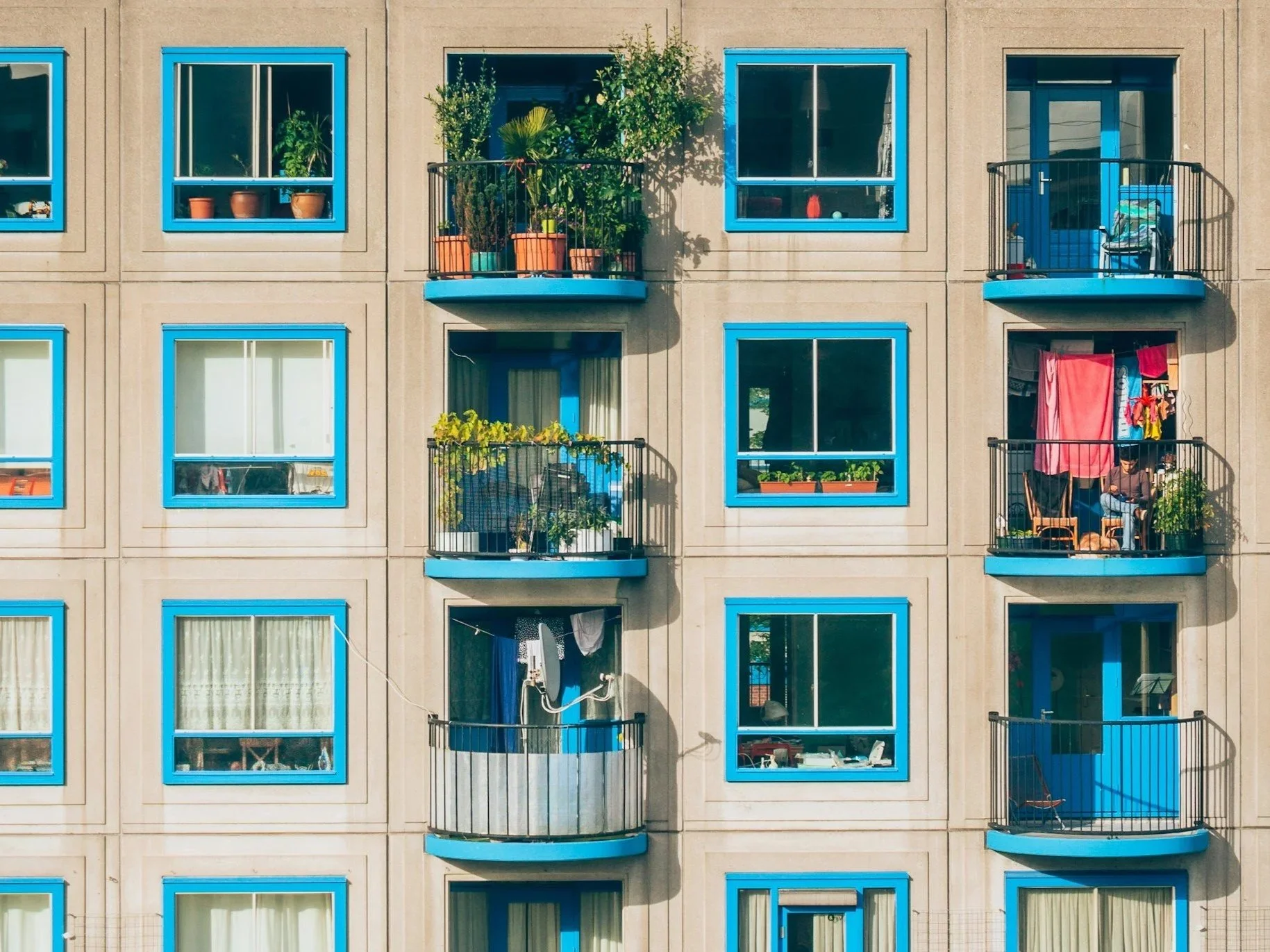
Set the cabin next to a modest city apartment and the comparison shifts, the apartment likely has more square footage, but its resident shares a roof, walls, foundation, sewer line, water supply, and waste service with dozens or hundreds of other households. Shared walls cut the energy needed for heating and cooling, and the building occupies far less land per household than the same number of detached homes ever could. Daily life tends to require less travel too, since work, shops, schools, medical care, and friends are often close enough to reach on foot, by bike, or by transit rather than by car.
None of this is especially romantic, a shared sewer line will never be an aspirational photograph, and neither will a bus route or a neighborhood grocery store, but these are exactly the systems that let people use fewer resources without each household having to produce everything for itself. Seen this way, a city resident doesn't need a large private library if a good public one sits nearby, or an extensive garden if there's a welcoming park within walking distance, the city itself is doing some of the providing.
Do we need to live in nature to protect it?
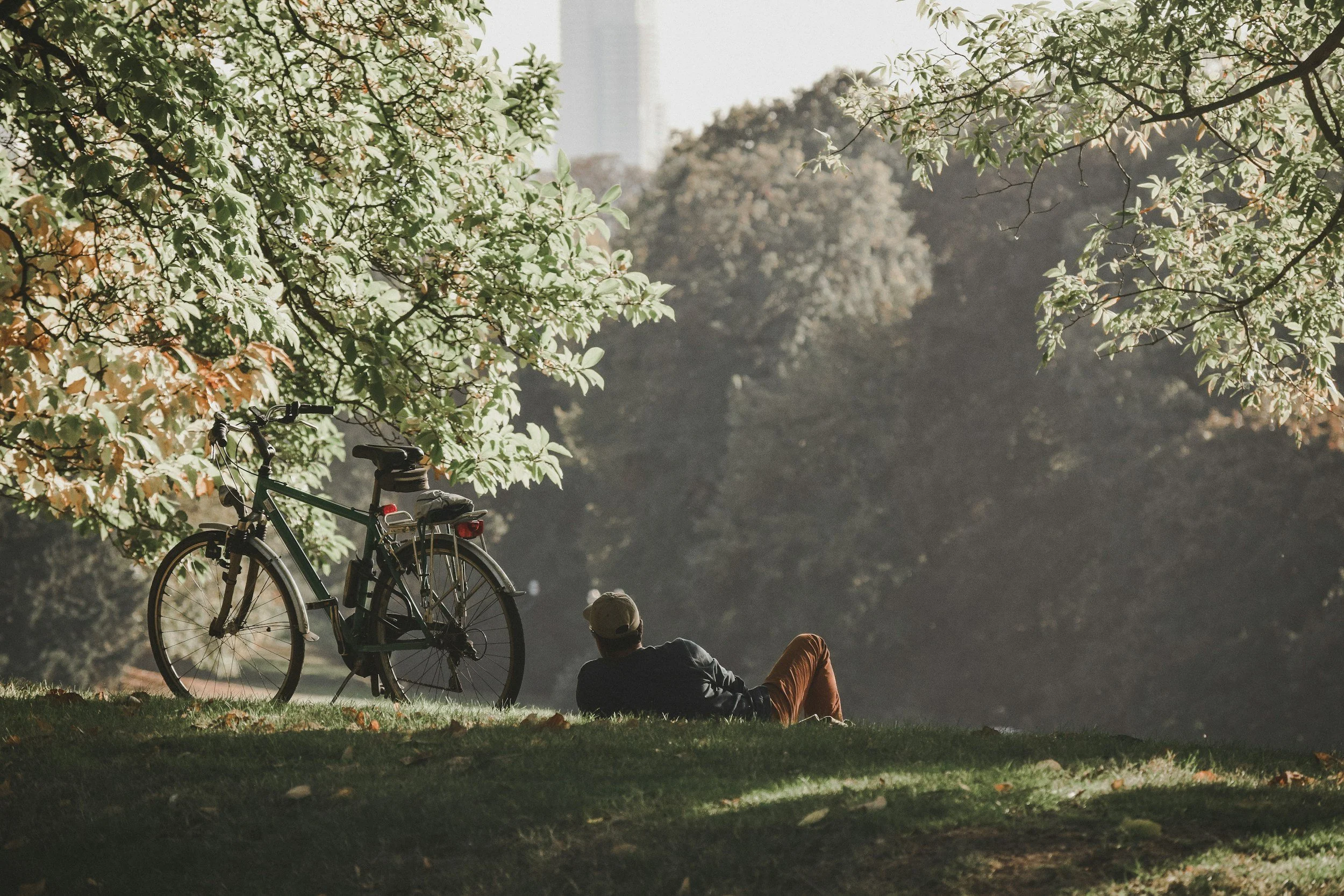
This challenges one of the more appealing parts of the tiny-home dream: the idea that reconnecting with nature requires living inside it. It's entirely possible to build a real relationship with the natural world without owning a piece of it, through a local park, a shared garden, regular hikes, or volunteer work on a restoration project. There's even a case that concentrating homes in existing communities helps preserve the places people most want to escape to, since fewer roads and houses then need to spread into forests, farmland, and wetlands.
That doesn't mean nature should be something city residents encounter only on vacation. Cities need trees, accessible parks, clean waterways, and real connections to larger natural areas, and daily contact with the outdoors shouldn't be a privilege reserved for people who can afford to buy land. The honest version of this argument isn't concrete versus wilderness, it's that a better-designed city can make room for both people and nature while leaving the larger landscape mostly intact.
Measuring what matters
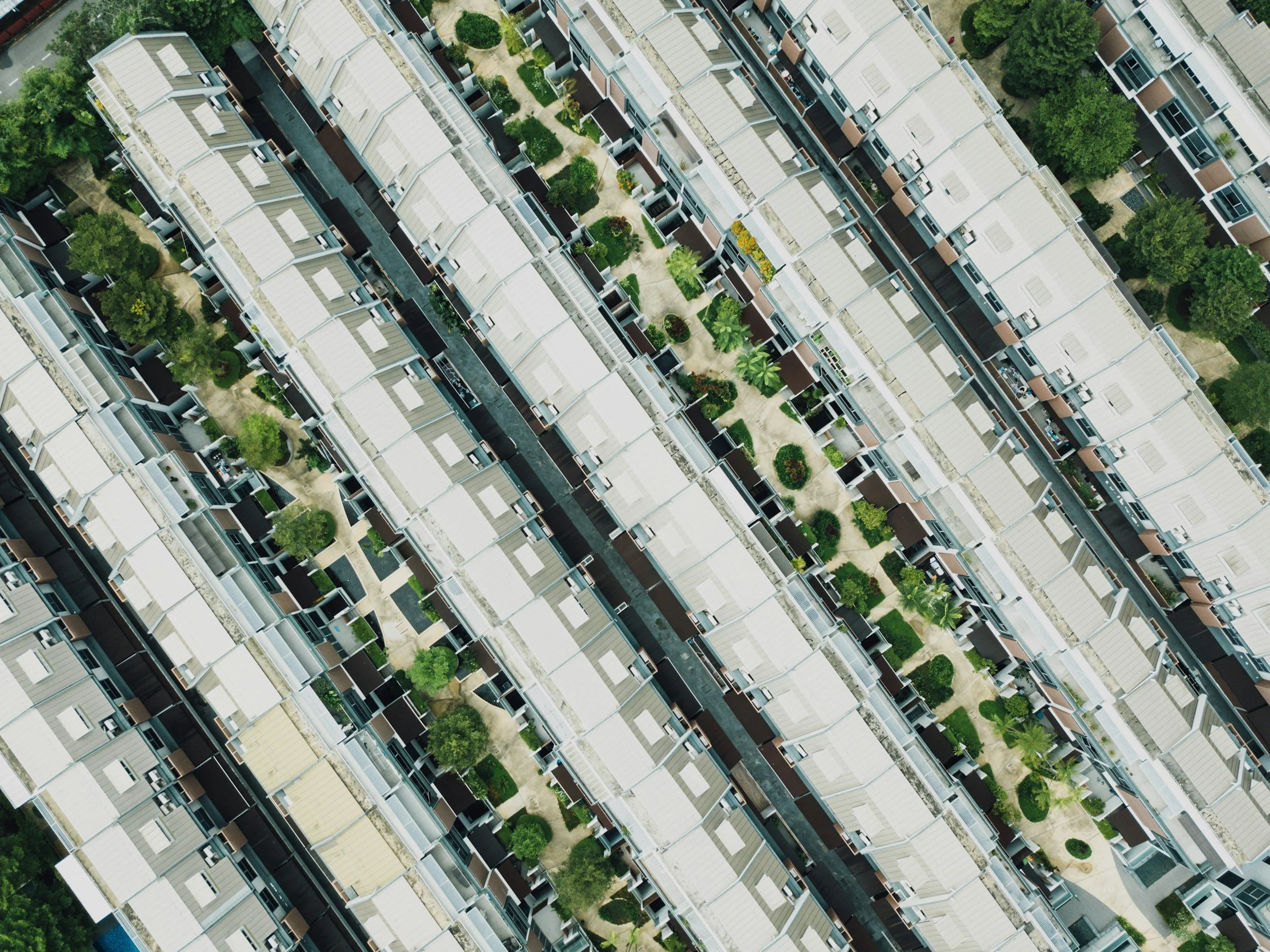
The tiny-home movement asks a genuinely useful question, how much house do we really need? But it's worth widening the frame around it. How much land does a given way of life actually require, and what did that land support before the house arrived? How far do residents have to travel for ordinary needs, and what can be shared rather than duplicated? And underneath all of it: do we need to live in nature to value and protect it?
For some people, the honest answer will be a home on land they actively restore and steward. For others, it will be a modest apartment paired with parks, gardens, and regular time spent somewhere wilder. Neither setting is morally pure, and neither one guarantees a sustainable life on its own, sustainability was never an architectural style, and it can't be read off a square-footage number. It's a property of systems and communities: the relationship among our homes, our transportation, our shared infrastructure, and the landscapes we choose to leave undisturbed.
A tiny home can help us live with less. A city can help us share more. The smallest footprint is likely found where those two ideas meet, and that balance is the RYSIT way.