
Europe Is About to Change the Rules of Everything. Is the World Paying Attention?

Hi RYSERS,
We need to talk about something that's happening in Europe right now. Something big.
The European Union is preparing legislation that could fundamentally change how products are made, sold, used and recovered across an entire continent, and beyond. It is called the Circular Economy Act, and most people have never heard of it. The proposal is expected any week now, and when it arrives, it will set out Europe's most ambitious attempt yet to move from a linear economy, where we take, make, use and discard, to a circular one, where nothing is wasted and everything has a next life.
The target is bold: to double Europe's circular material use rate from 12% to 24% by 2030, to create a single market for recycled materials, and to make circularity not just an environmental choice but an economic necessity. This is not a recycling campaign, it is a redesign of the rules of production.
Why now?
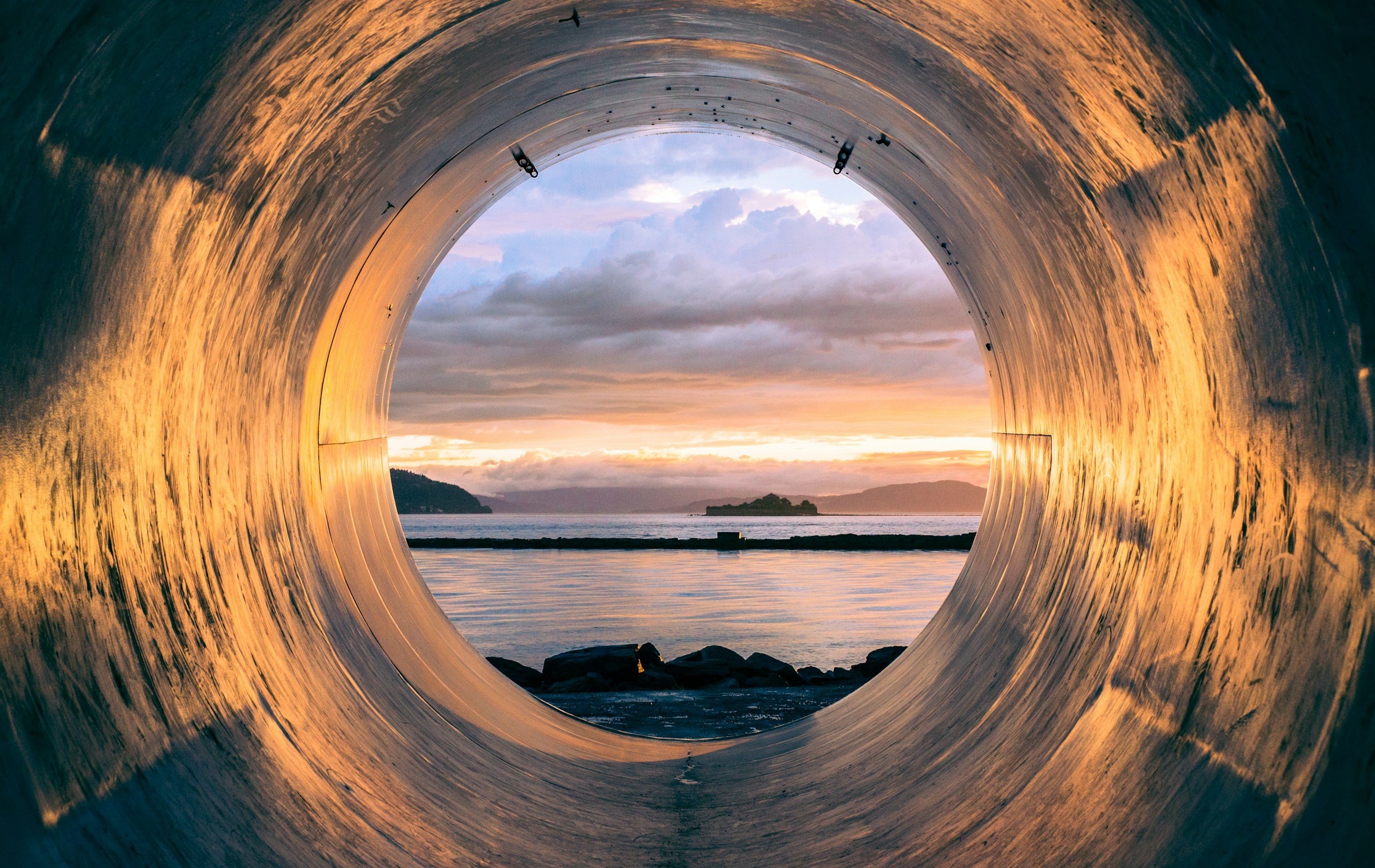
Because Europe has a problem it can no longer ignore. The EU imports nearly 100% of its heavy rare-earth elements, primarily from China, and its raw materials trade deficit reached €29 billion in 2023. The resources it needs for batteries, electronics, construction, clean energy infrastructure and advanced manufacturing are largely coming from somewhere else, extracted from the ground, used once, and discarded. As we explored in The Cloud Has an Address, our dependence on resource-hungry systems is a problem that cuts across every industry.
6.9% of materials are currently reused globally — down from 9% in 2018. 90% of biodiversity loss is caused by resource extraction and processing.
Up to 80% of a product's environmental impact is determined at the design phase — before it ever reaches a consumer.
The current circular material use rate in the EU sits at just 11.8%.
These are not abstract numbers, they are the reason this legislation exists.
We are clearly moving in the wrong direction, and Europe has decided to change that, because this is not a sustainable model, and it is not even a competitive one. The Circular Economy Act reframes the conversation entirely — giving economic security, reducing dependence on imported virgin materials, and building industries and jobs that are resilient because they are circular. Already, 4.4 million people across the EU work in circular economy sectors, and that number is growing.
What it means for how we build
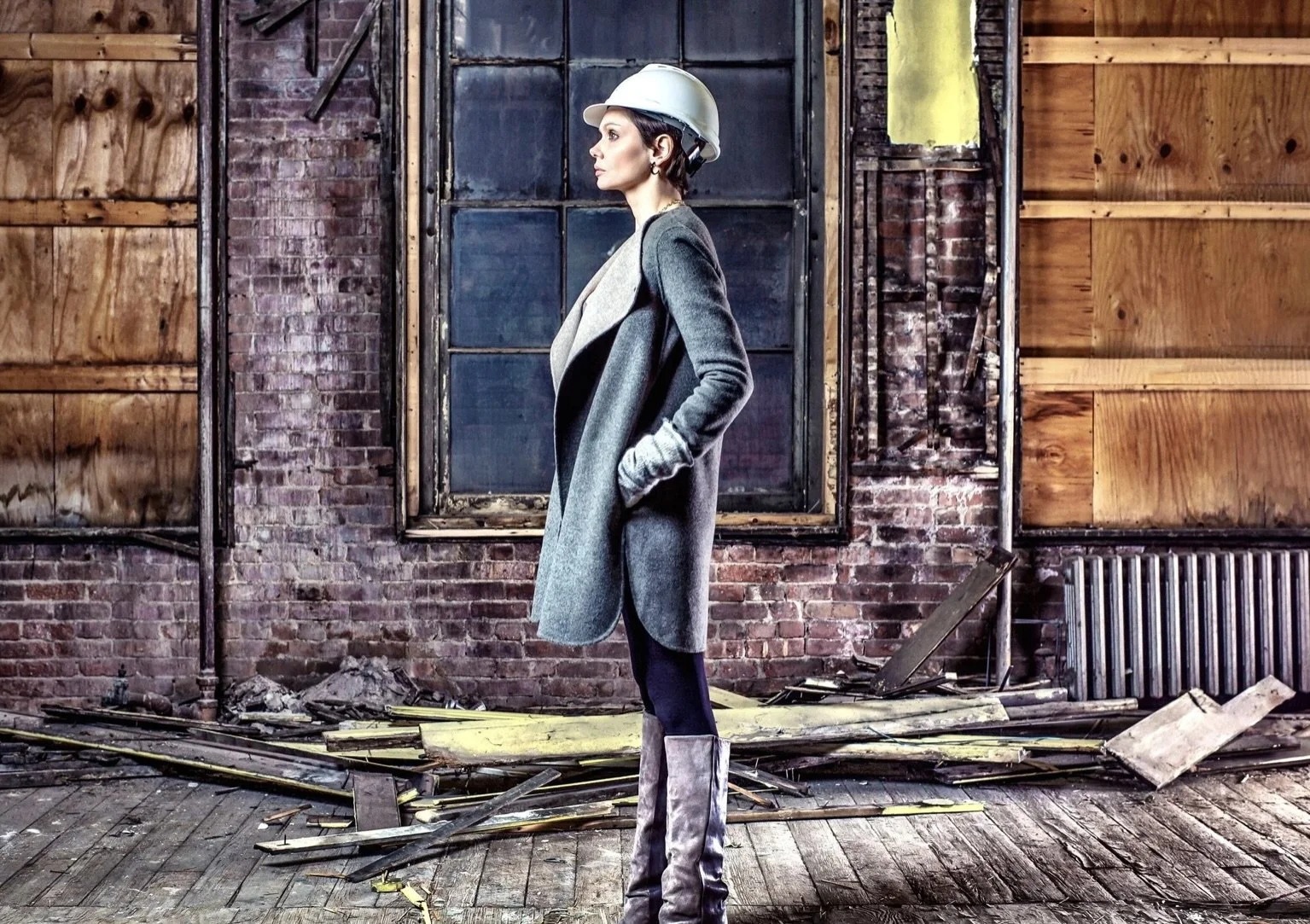
The revised Construction Products Regulation, already in force since January 2026, now requires buildings to meet new standards for recyclability, disassembly, durability and recycled content. At RYSIT Development, these are not new requirements, they are the questions we have been asking from the very beginning of every project, long before they became law. The Circular Economy Act will go further still: construction materials will need verified secondary content, buildings will need to be designed for disassembly, and the entire lifecycle of a structure — from foundation to future — will need to be considered before a single brick is laid.
What it means for how we live

Legislation changes systems, but systems are made of people, and people make choices every day — what to buy, what to keep, what to repair, what to let go. The circular economy is not an abstract policy concept. It is the decision to repair your jacket instead of replacing it, to buy secondhand before buying new, to choose the product that was made to last over the one that was made to be discarded. These choices feel small in isolation, but they are not isolated, they are part of a current that, when enough people move with it, becomes impossible to ignore. And sometimes, enough of those daily choices made by enough people become a movement that changes the law itself.
What you can do right now
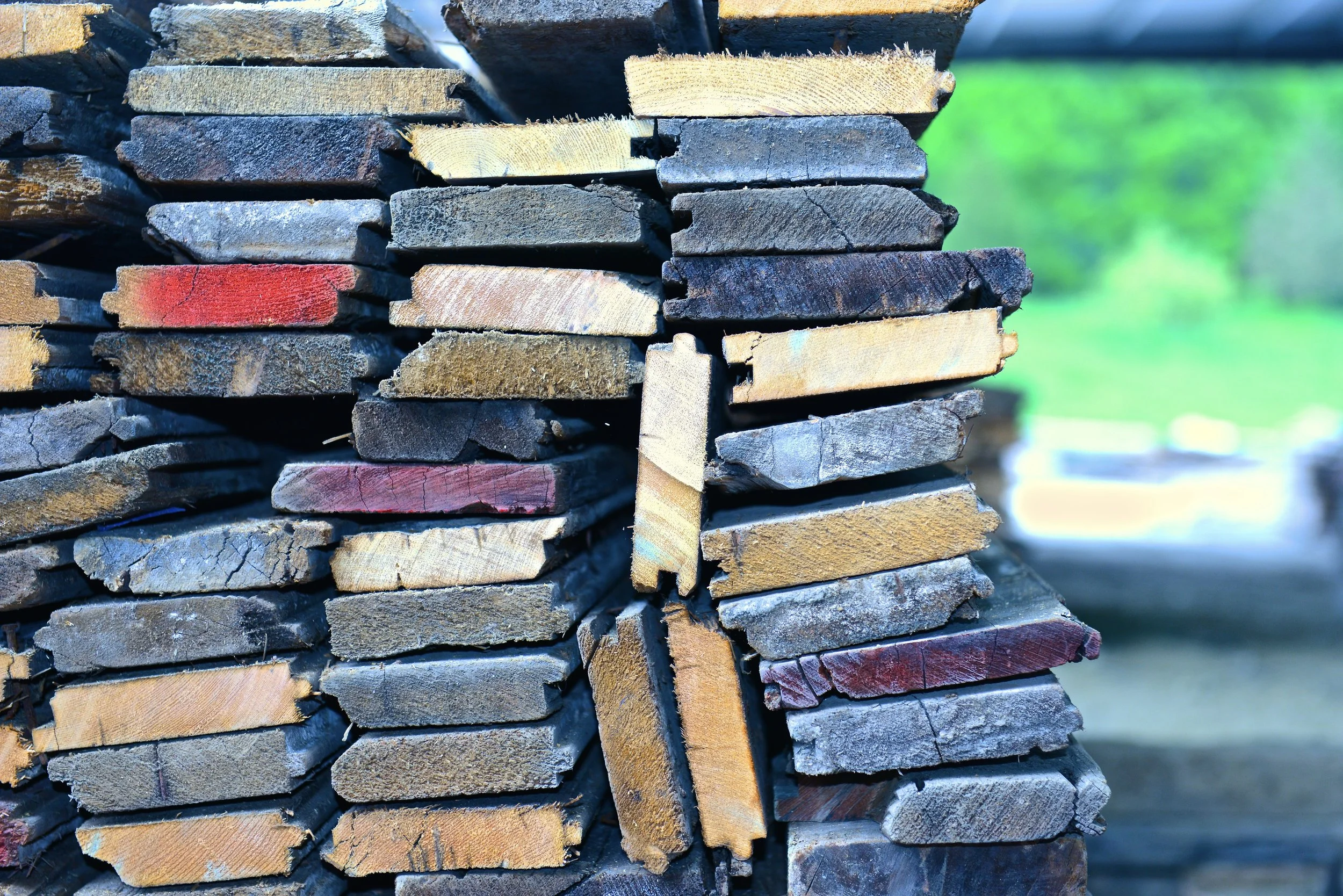
You don't need to wait for legislation to live more circularly. Start with one thing, repair something you would have replaced, shop secondhand before shopping new, or simply ask where something comes from and where it will go when you're done with it. At RYSIT, we believe that legislation and personal action are not separate conversations, they are the same conversation happening at different scales, and every scale matters.
The hopeful part

This legislation exists because the conversation has shifted, because enough people — consumers, businesses, scientists and policymakers, pushed long enough and hard enough that circularity moved from the margins to the center of industrial policy. The Circular Economy Act is not the finish line. It is proof that the start line has moved, and finally Europe is changing the rules. The question now is not whether the world will follow, it is whether we will be ready when it does. We intend to be.