
A Sweater, a Runway Protest, and a Complicated Question
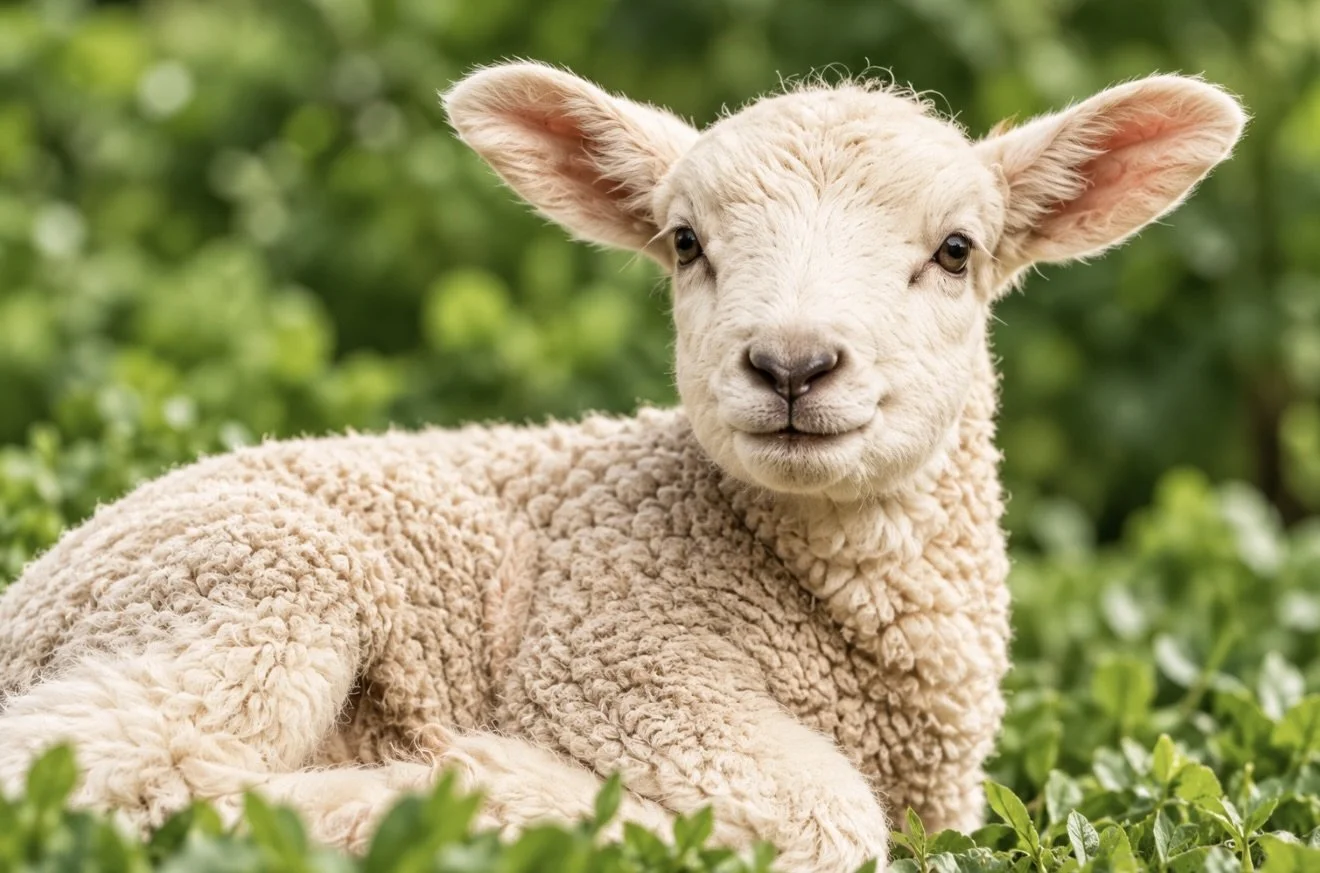
A protest over wool at New York Fashion Week raised a much bigger question about what sustainable fashion means. The answers are more encouraging than the headlines.
A runway is not where you'd expect a conversation about climate to begin, but during COS's show at New York Fashion Week, PETA activists walked out among the models to protest the brand's use of wool. The moment became a story of its own when CFDA President and CEO Steven Kolb physically restrained one of them with his legs and covered her mouth. He later apologized and resigned.
At RYSIT, we spend a lot of time asking two questions about everything we make, build and buy: where does it come from, and where does it go next? A sweater on a New York runway turned out to be a very good place to ask both, because when you pull one thread, everything else comes with it.
Pull the Thread
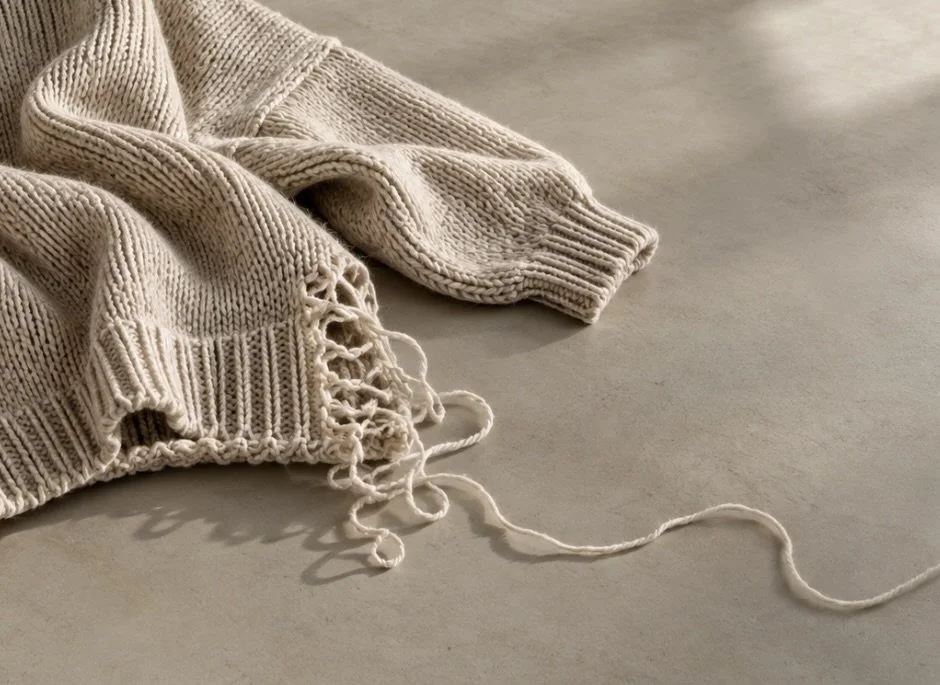
To activists, wool belongs to the same system that makes animal agriculture a climate issue. Sheep, like cattle, are ruminants and produce methane; they require land, and poorly managed grazing can damage ecosystems. Add concerns about animal welfare, and the connection between animal rights and the environment becomes clear.
Pull a little further, however, and the picture becomes more complicated. Many wool sheep have been bred to grow fleece continuously and need to be sheared for their health and comfort. Wool is also renewable and biodegradable, and replacing it with a petroleum-based synthetic can simply trade one environmental problem for another. Standards such as the Responsible Wool Standard now address animal welfare, land management and traceability, and COS says it sources animal fibers from certified farms and uses recycled wool where possible.
Still, the welfare concerns PETA raises are real, and the most controversial is mulesing. Merino sheep are vulnerable to flystrike, a painful and potentially life-threatening condition in which flies lay eggs around a sheep's hindquarters and the larvae feed on the animal's tissue. To prevent it, parts of the Australian wool industry cut strips of skin from that area, often from lambs only weeks old and too often without adequate pain relief. It is a horrific practice, and it has been widely condemned. Yet humane alternatives already exist, from breeding sheep with fewer skin folds to better flock management. The Responsible Wool Standard prohibits mulesing, New Zealand has banned it, and many brands now refuse wool from farms that use it. Progress is possible, and consumers can encourage it by choosing certified, traceable, non-mulesed wool.
So who is right? Perhaps that is the wrong question. The better one is the question the entire industry now faces: how do we measure what "better" means?
Animal welfare matters. So do emissions, water, chemicals, land, microplastics, the people who make our clothes and the mountains of clothing discarded every year. These are not separate conversations. They are different parts of the same garment, and people are already working to improve every one of them.
From Worn Out to Worn Again
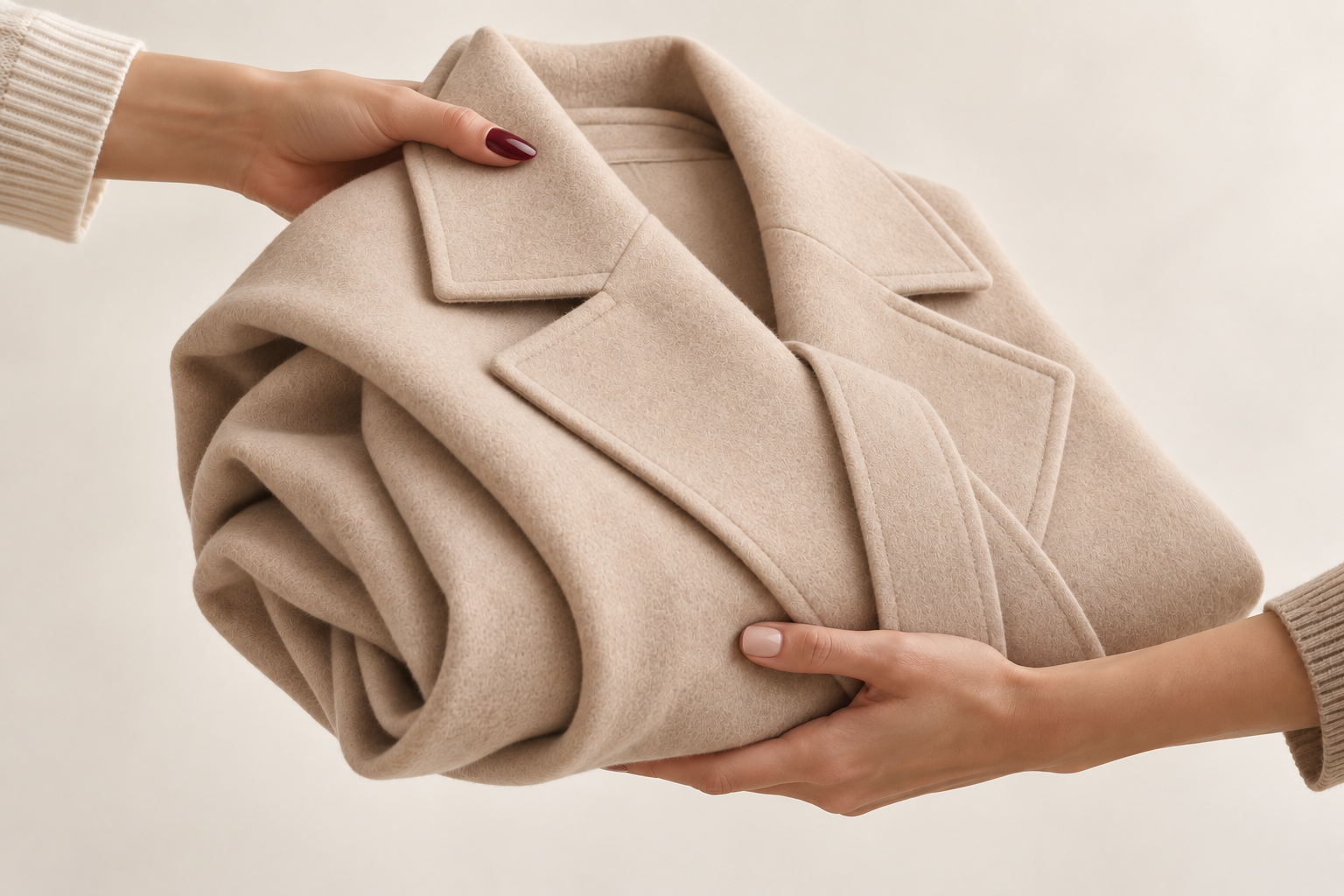
For decades, fashion followed one formula: take, make, sell, wear, throw away, repeat. Circular fashion starts from a simple idea; before we make something new, look at what already exists. Brands are taking clothes back, repairing them and reselling them, and vintage and secondhand have moved from the edges into the mainstream. A coat can outlive its first winter and its first owner. It can be mended, passed to a sister, sold or remade, because the most sustainable piece of clothing may be the one we never have to make again.
When a garment finally reaches its end, fiber-to-fiber recycling is writing the next chapter. Clothes are hard to recycle, because they combine cotton blended with polyester and elastane, synthetic thread, dyes and zippers, so on. New mechanical and chemical processes are learning to separate and regenerate those fibers, and an old shirt can become yarn for a new one: clothes becoming clothes again.
No perfect material, only better questions
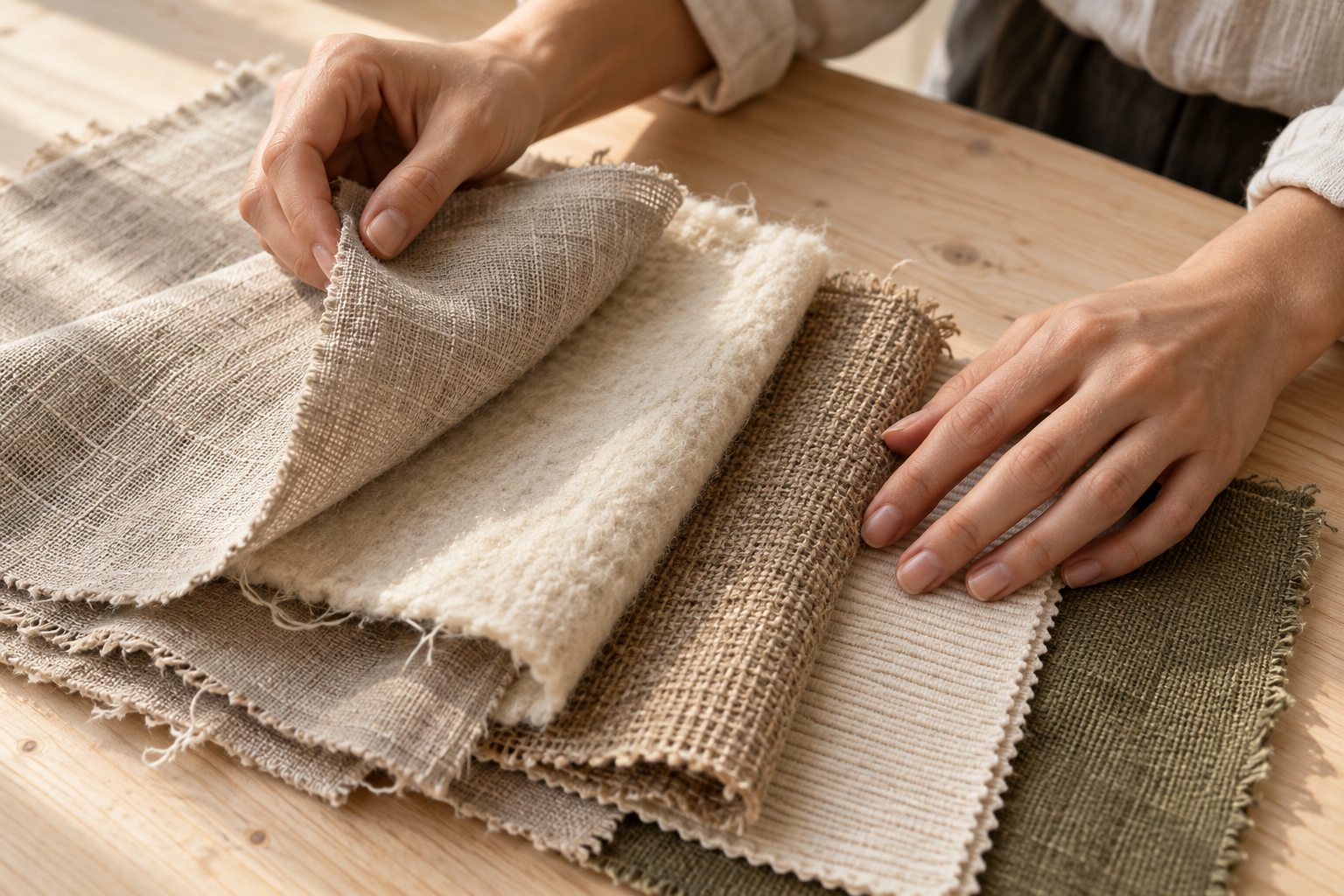
Hemp and organic linen are back. Designers are spinning fiber from agricultural waste, and startups are developing materials with the qualities of leather that don't require raising an animal for its hide. Dyers are turning to roots, minerals and food scraps, and to processes that use less water and fewer chemicals.
None of it is magic. Natural doesn't automatically mean sustainable, and neither do vegan or recycled. A plant fiber that needs heavy processing has its own cost. A plastic "leather" spares an animal but can shed microplastics. Wool is renewable but still comes with methane. What's changing is where we look: instead of judging only the finished garment, we're starting to look at its whole life, from field to closet to whatever comes next.
The Clothes Nobody Wore
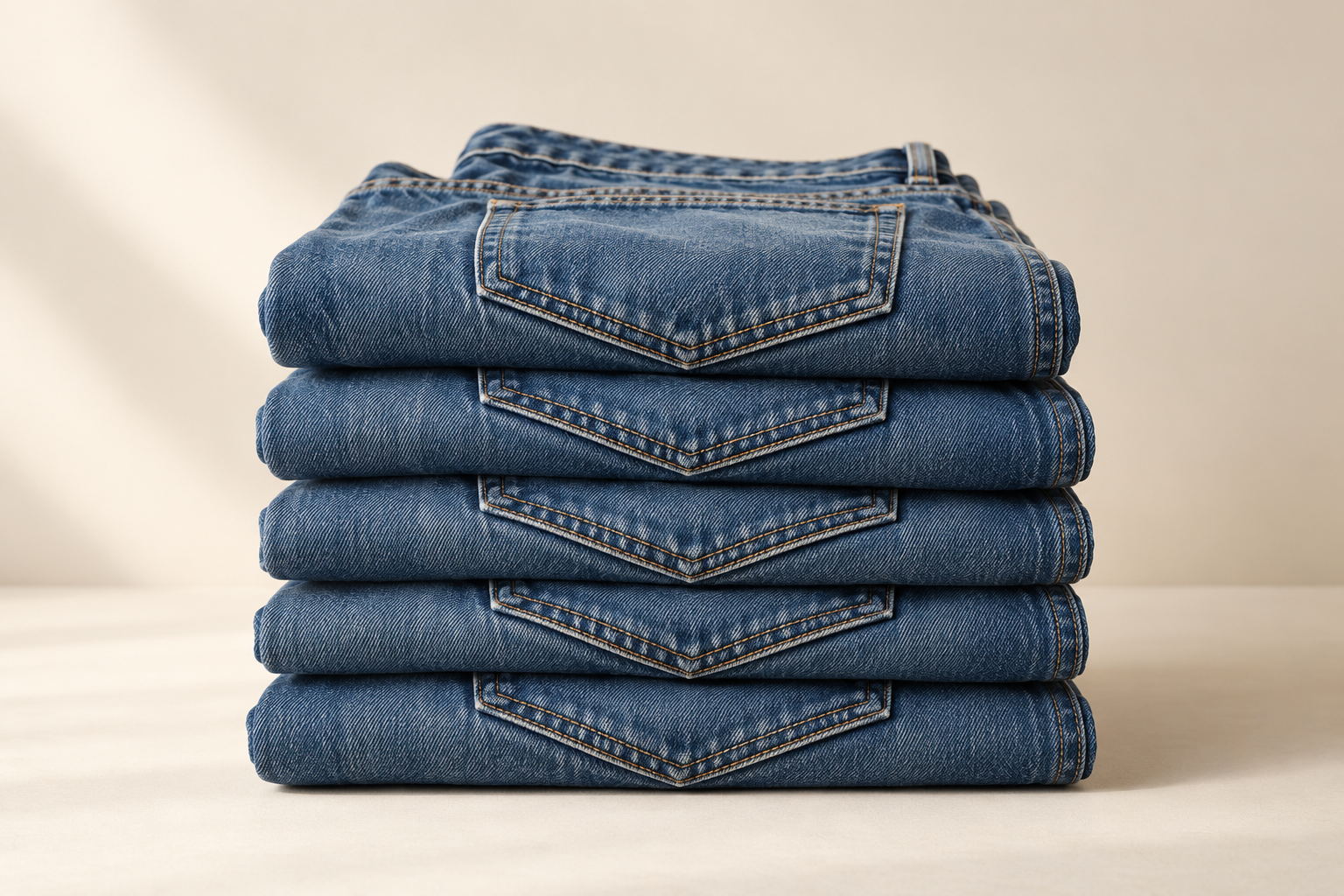
Fashion's other problem has nothing to do with fiber: it makes too much. Brands predict demand months ahead, and when they guess wrong, perfectly good clothing becomes deadstock. Made-to-order and small-batch production reverse that by finding the person first, then making the piece.
Europe has also closed a door. Since July 19, large companies in the EU can no longer destroy unsold clothes, accessories and footwear, and medium-sized companies follow in 2030. The European Environment Agency estimates that 4 to 9 percent of textiles put on the European market are destroyed before anyone wears them, as much as 594,000 tonnes a year. When destroying what doesn't sell is no longer an option, giving it a second life becomes something worth designing from the very beginning.
The label is learning to speak
Imagine scanning a QR code on a jacket and learning what fibers are inside, where they came from, how to repair it and how to recycle it when the time comes. That's the idea behind the Digital Product Passport, which is being developed as part of Europe's push toward circular, transparent products. The small label sewn into our clothes has always said something like 100% wool. Made in Italy. One day it may also answer the questions that matter now: Which wool? From where? Raised how? Repairable? And where does it go next?
What happens next
The protest at COS wasn't really about a sweater. It was about every thread running through it: animals, land, climate, water, waste, and the people who make and wear what we buy. More hands are on those threads every season. Farmers, chemists, designers, tailors and lawmakers are all working on them, along with anyone who has ever given a coat a second life.
At RYSIT, we believe sustainability is not what we add. It is where we begin. That's true of a restored building, and it's true of a wool sweater. It's also why we're building RYSITapp, coming soon, to make it easier to donate, resell and recycle what we already own, so more of what hangs in our closets gets its next chapter. Fashion has spent generations teaching us to ask what's next. Maybe the question now is what happens next to what we're already wearing.