

Spooky season, but the ghosts of Halloween vanish by November 1. The ghosts of climate change tend to stay: lifeless soils, barren fields and abandoned farms. And it all comes down to our complicated relationship with carbon dioxide (CO₂).
CO₂ has a bad reputation, and for good reason. Burning fossil fuels, transportation and manufacturing have pushed far too much of it into the atmosphere. But CO₂ is not inherently harmful. It is essential for life. Plants use it to make food through photosynthesis, and it traps just enough of the sun’s heat to keep the Earth livable. The trouble is the excess, and one of the biggest sources of that excess is land that has been worn out by unhealthy farming. Healthy soil holds carbon while barren soil lets it escape back into the air.
That process, in which fertile land turns into a desert wasteland, is called desertification, and it is creating real-world ghost towns. According to the UN, up to 40% of the world’s land is now degraded, affecting the livelihoods of billions of people (UN News). UN data also shows that at least 100 million hectares of healthy, productive land were lost to degradation every year between 2015 and 2019 (UNCCD). Land that once supported communities becomes too dry to farm, and families are forced to move. Deforestation makes it worse, because fewer trees and healthy soils are left to absorb carbon.
The good news is that this can be reversed, and that is where regenerative agriculture comes in. It is a way of farming and ranching that restores the health of the soil while helping the climate at the same time. By rebuilding soil and bringing back greenery, we can pull CO₂ out of the atmosphere and bring ecosystems back to life. So let’s dig in and see how we bring these fields back to life.
But How Did We Get Here?
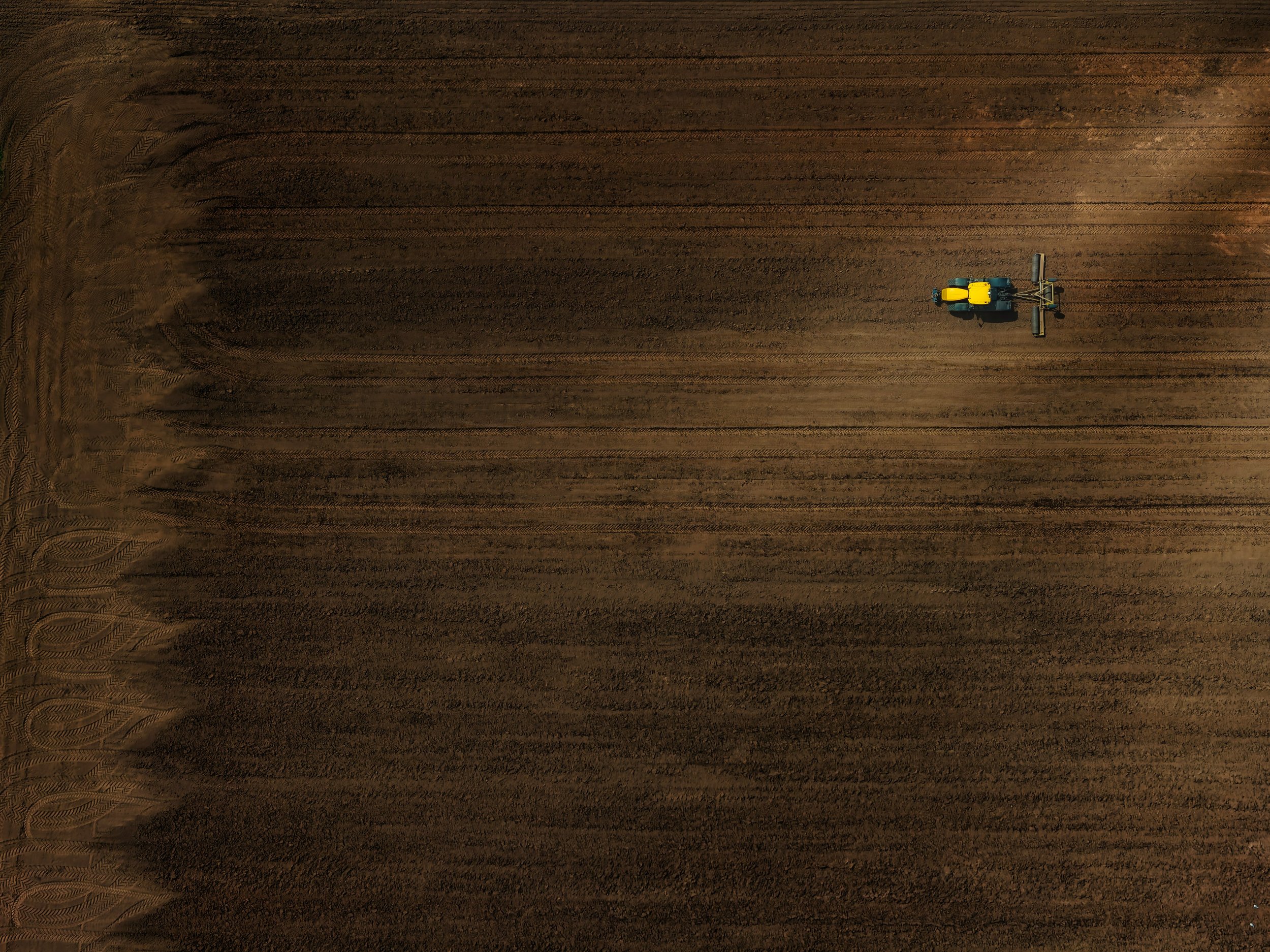
Before we dig into solutions, we have to dig up the problem. Agriculture began more than 10,000 years ago with small-scale farming built around local crops and methods like crop rotation and polycropping (growing a variety of crops together). Over the 20th century, farming in North America became mechanized and corporate-driven, prioritizing mass production over ecological health. Monocropping (growing a single crop), heavy chemical inputs and deep tilling led to biodiversity loss, while natural ecosystems were converted into single-use cropland and factory farms.
Today, livestock and the crops grown to feed them take up roughly 80% of the world’s agricultural land, according to Our World in Data. Desertification sets in when soil health breaks down from intensive agriculture, overgrazing, deforestation and drought. The soil loses its nutrients, its ability to hold water and its capacity to support plants, and without intervention, these “haunted fields” keep spreading, turning thriving landscapes into dry, lifeless ghost towns of the natural world.
Regenerative Agriculture: Nature’s Spell to Revive the Dead

Luckily, we don’t need magic wands. Regenerative agriculture offers proven practices that restore soil and push back against desertification. It rests on ancient farming techniques and common-sense science, and it gives farmers the tools to heal the land and store carbon.
Cover cropping: Planting crops like clover or rye to prevent erosion and return nutrients to the soil. Livestock can graze these crops too, which lowers feed costs.
No-till farming: Skipping deep plowing to protect soil structure and keep carbon in the ground. No-till and low-till equipment is already available and in use, just like in the good old days.
Composting: Returning organic matter to the soil to build fertility and keep waste out of landfills.
Integrated pest management: Swapping soil-killing pesticides for beneficial insects and pest-resistant crop varieties.
Managed grazing: Rotating livestock so grasslands can recover. Rather than casting cows as the villain, this puts their, um, natural waste-making abilities to work fertilizing the soil.
These practices are far more than feel-good efforts, they increase biodiversity, reduce flooding and drought stress, boost crop yields and help reverse the damage of unsustainable farming. Healthy soil acts like a sponge: it absorbs heavy rain instead of letting it run off, then releases that moisture slowly to crops in dry spells. That means greater food security and more productive land for the long run.
Harvest Hope: Your Role in Fighting the Climate Spook
Reviving barren land and fighting climate change at the same time sounds like a dream, but what can one person actually do? You don’t need to be a farmer to help haunted fields come back to life. Here is where to start:
Choose regeneratively grown products, such as those with the Regenerative Organic Certified label, from farms that put soil health first. Local farmers’ markets are a great place to find them.
Waste less food. The less we throw away, the less new farmland we need.
Compost your food scraps to return vital nutrients to the soil and keep waste out of landfills. You can make your own compost or drop it off at a local compost station. Many communities offer it alongside recycling.
Support policies that reward farmers for healing the land and for climate-friendly practices.
Get involved. Join a CSA that connects you with a local farm using sustainable practices, or support organizations working to restore degraded land, such as Every Acre Counts.
Turning Climate Ghosts into Green Futures
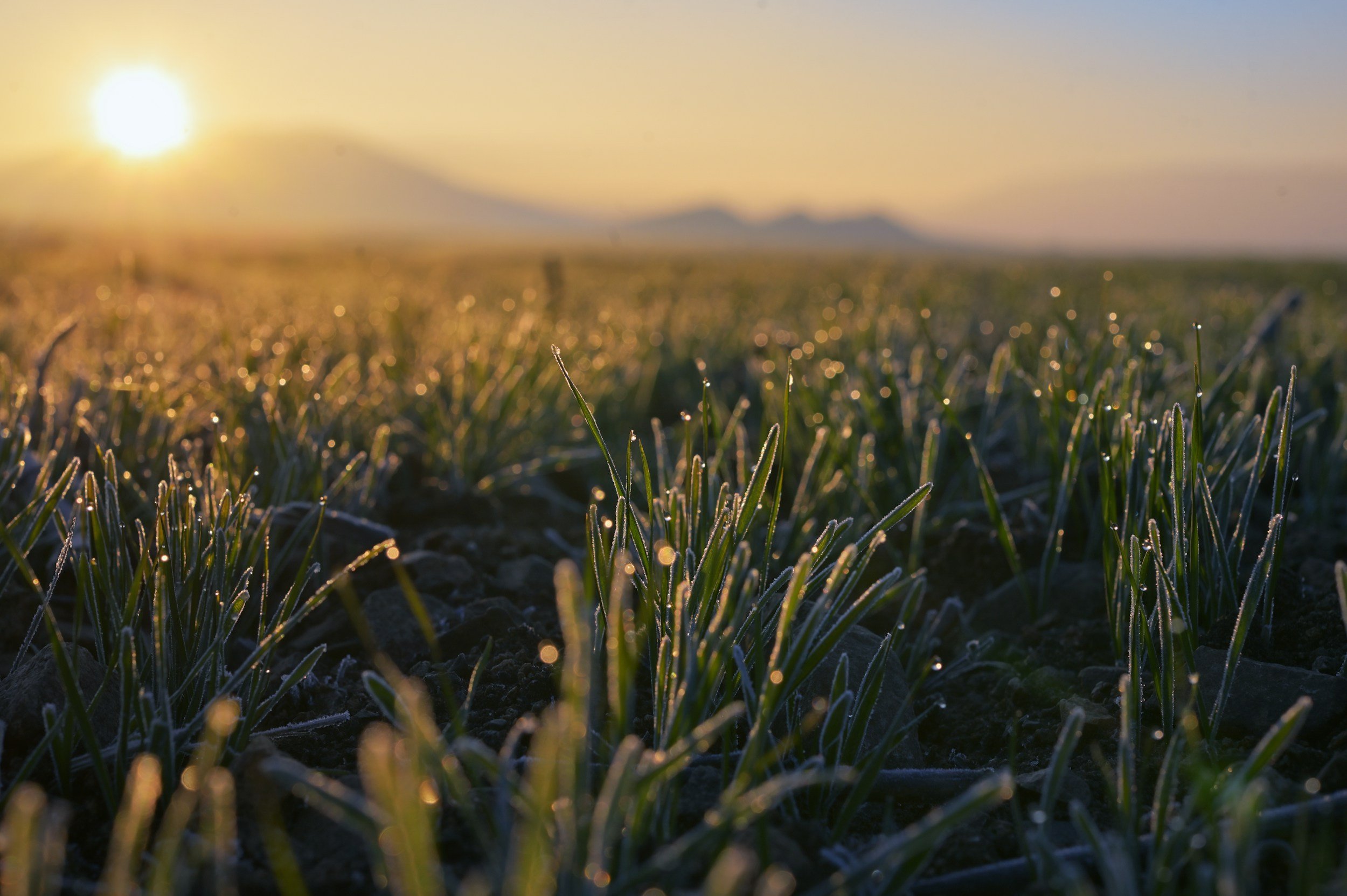
Let’s exorcise the ghosts of desertification and bring our landscapes back to life. By supporting the farmers who heal the land, we can turn tired fields into thriving ecosystems and build a more resilient future for everyone. Whether it’s the American Midwest, the Sahel region of Africa or anywhere in between, every effort to restore soil brings us closer to a world where ghost towns become green pastures again.
Together, we have the power and the tools to build a future where fertile soil and healthy communities flourish, and where the only ghosts we meet are the ones on Halloween. Now that’s the RYSIT way!
