What Happens in Greenland Will Not Stay in Greenland
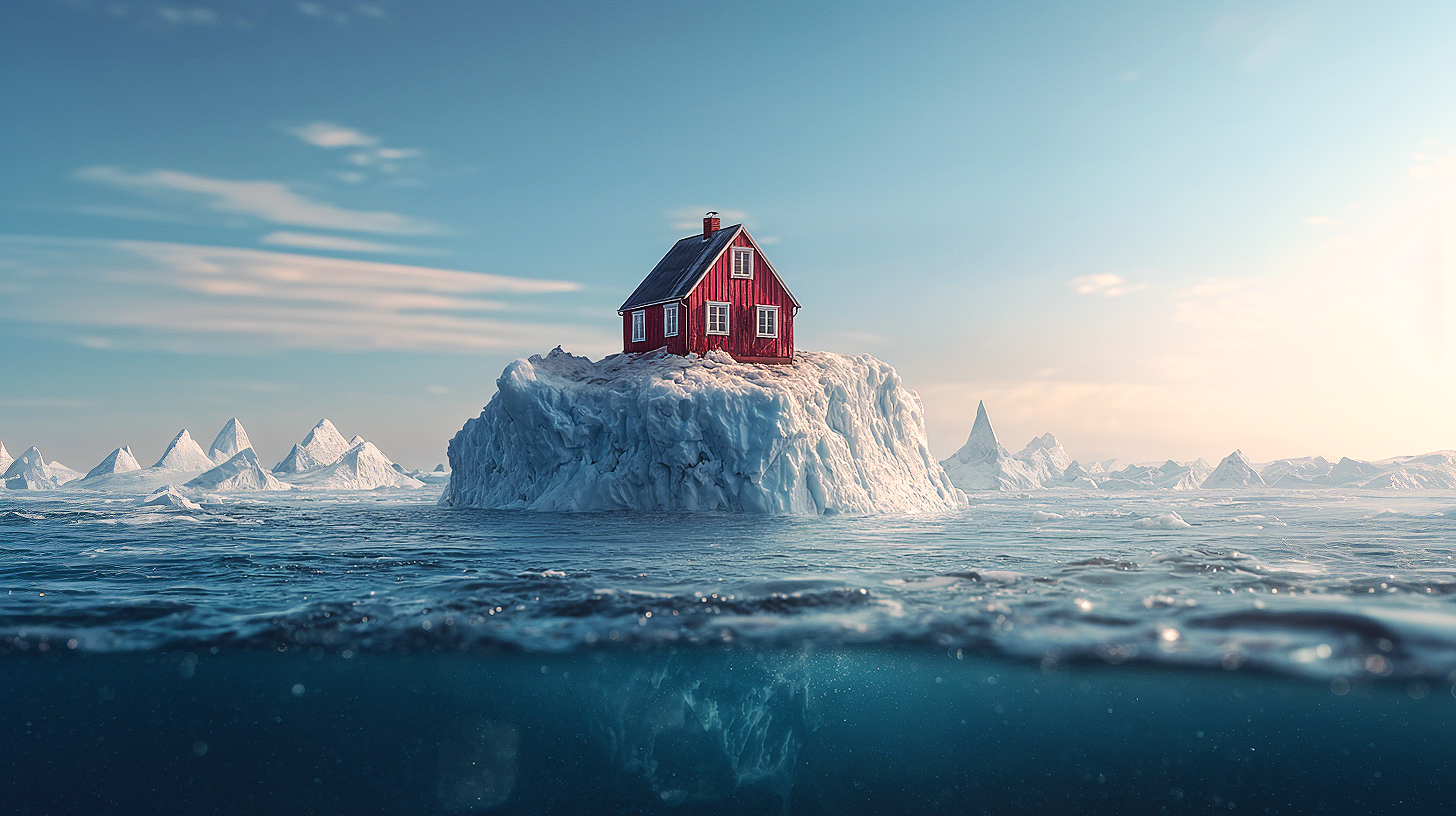
Greenland is in the spotlight. But the real story is under the ice.
Far north, beyond the usual headlines, lies Greenland — a vast expanse of glaciers, fjords, midnight sun, and ancient ice. Its ice sheet predates human civilization, and its silence stretches across landscapes that feel almost sacred, like a cathedral carved by time. But today, this land is no longer only a place of awe. What happens there will quietly affect coastlines, supply chains, security systems, and climate realities far beyond the Arctic.
From Ice Ages to the Holocene
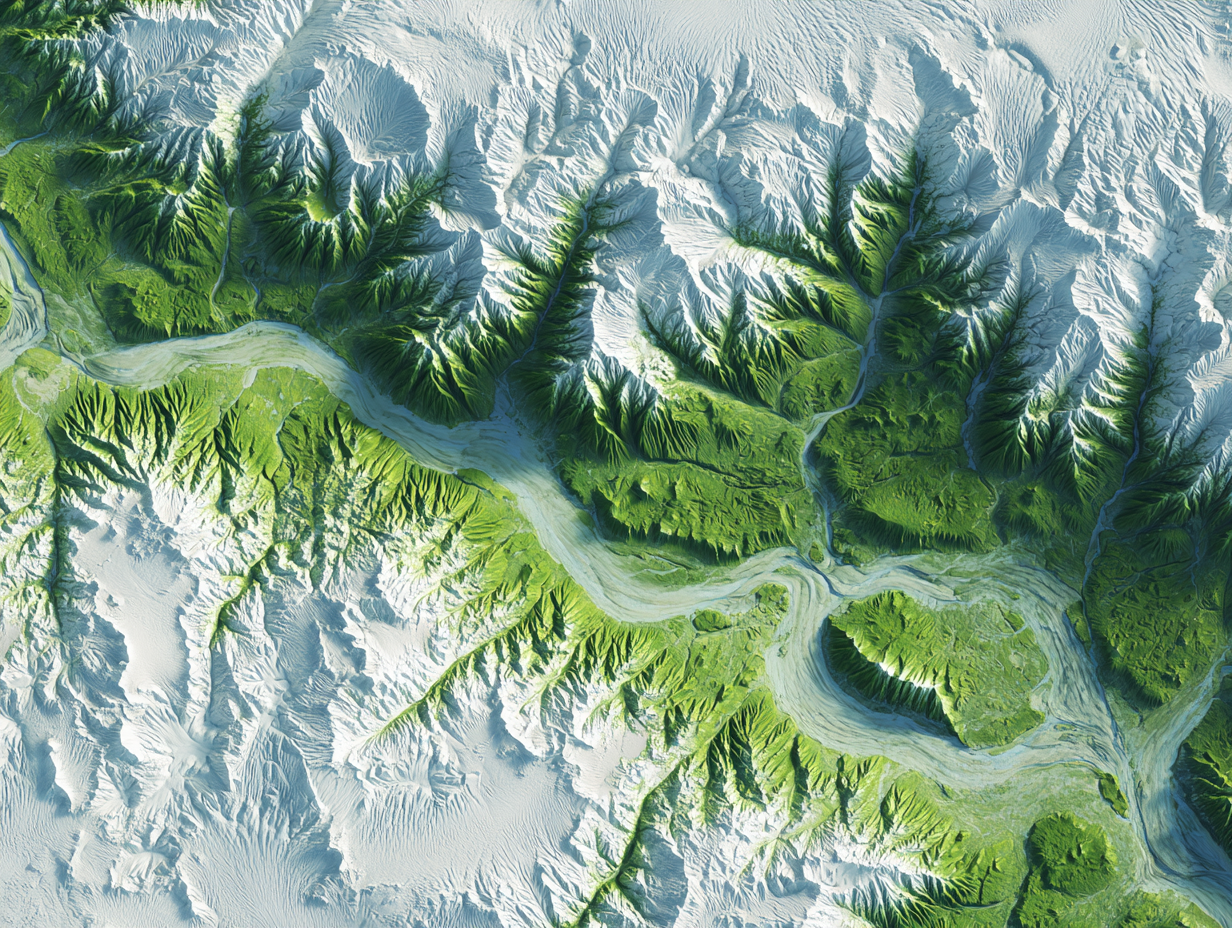
To understand why Greenland matters now, we need to zoom out. Earth has moved through multiple major ice ages over deep geological time, and we are still living within the most recent one, the Quaternary Ice Age — which began roughly 2.6 million years ago. An ice age does not mean the entire planet is frozen; it simply means permanent ice exists at the poles. Within the Quaternary, Earth has cycled between colder glacial periods and warmer interglacial periods. About 11,700 years ago, the last major glaciation ended and ushered in the Holocene, a relatively stable climate period that allowed agriculture, cities, and modern civilization to flourish. That stability made everything we know possible. Greenland’s ice sheet is a living remnant of that climatic history, but the stability that defined the Holocene is now under pressure.
The Age Humans Made — Anthropocene
Scientists have proposed the term Anthropocene to describe a new epoch defined not by tectonic shifts or asteroid impacts, but by human activity. Rising atmospheric carbon levels, plastic embedded in sediment layers, accelerated species extinction, and altered ocean chemistry are all markers of this shift. Human fingerprints are now part of the geological record. Greenland’s melting ice is one of the clearest physical manifestations of that transformation.
The ice sheet contains enough frozen water to raise global sea levels by approximately 23 feet if it were to melt entirely. It is currently losing hundreds of billions of tons of ice annually as warmer air melts it from above and warming ocean currents erode it from below. This is measurable, visible, and accelerating. And as the ice retreats, new strategic realities emerge.
Greenland as a Strategic Chess Piece
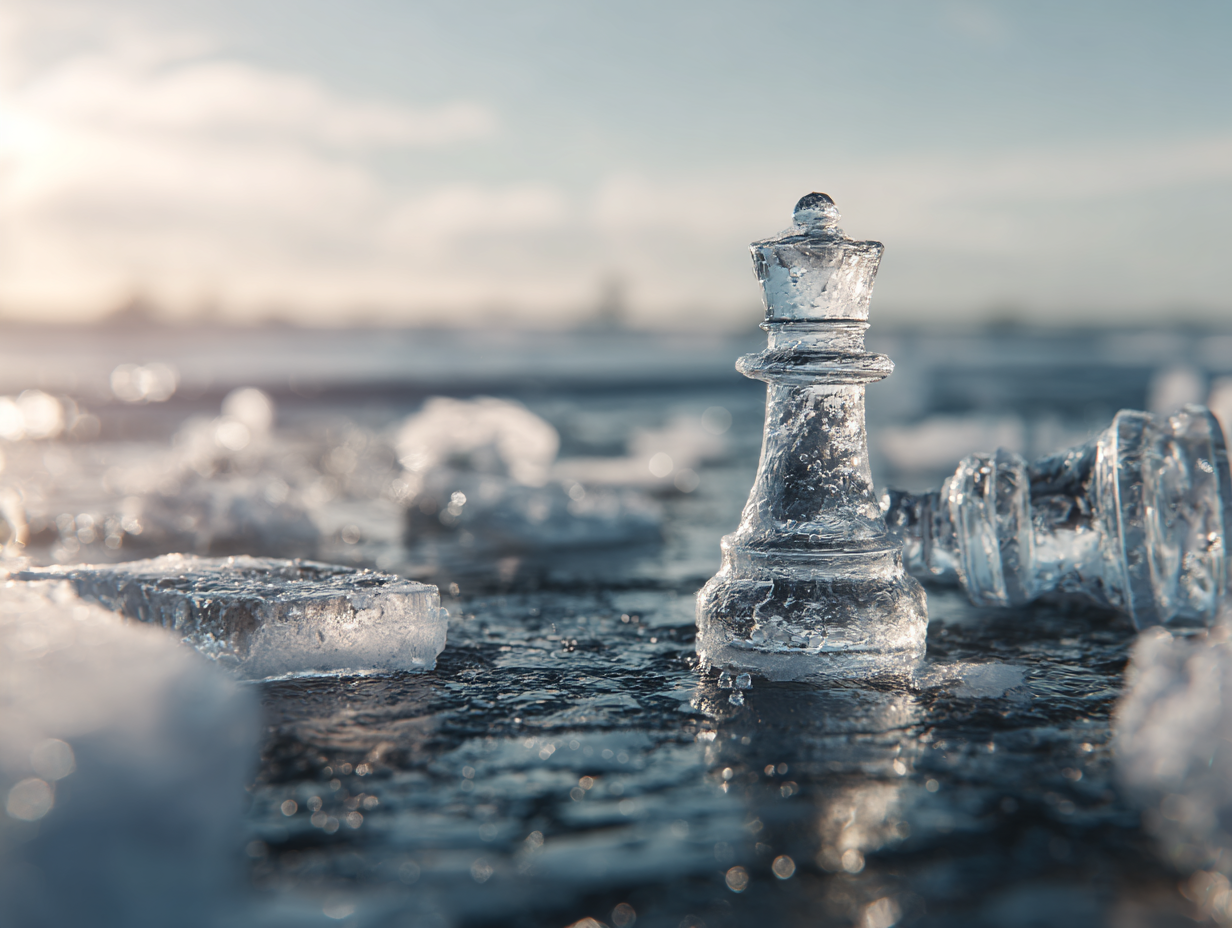
In recent years, Greenland has moved from the realm of climate science into geopolitics. It is now a strategic square on the global chessboard where military positioning, Arctic shipping routes, rare earth minerals, and supply chains converge.
Greenland’s location between North America and Europe makes it a critical node in Arctic and transatlantic security. The United States operates Pituffik Space Base there, a key installation for missile warning, space surveillance, and early-detection systems. As Arctic conditions shift, strategic presence in the region grows more significant.
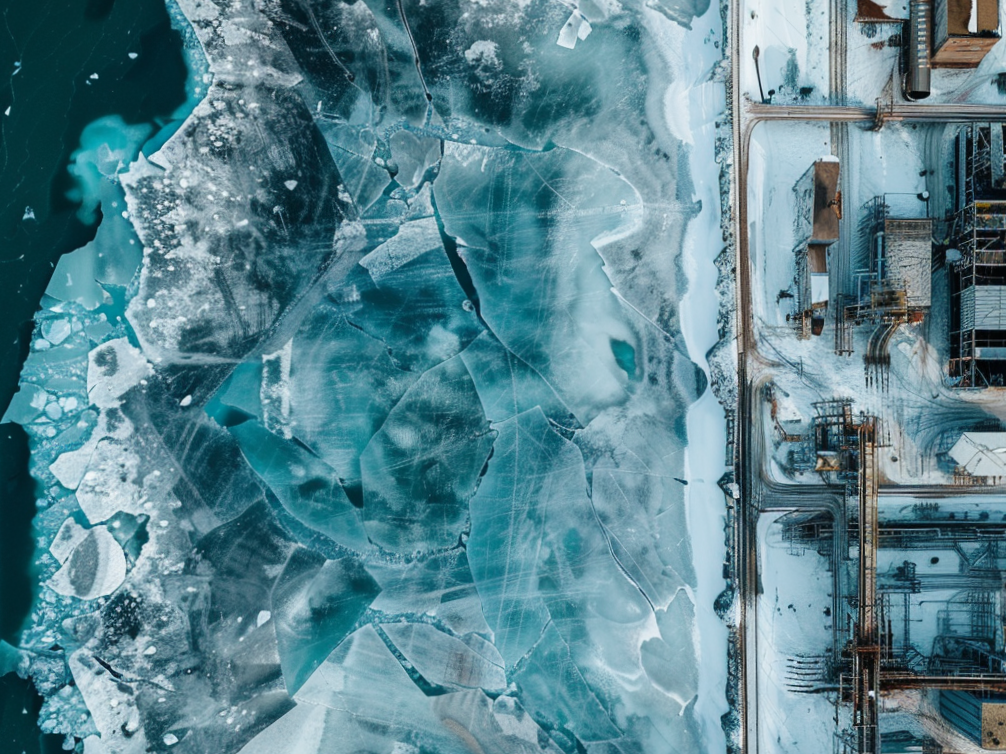
At the same time, declining sea ice is making shorter shipping corridors between Asia, Europe, and North America increasingly navigable. These emerging routes could reshape global trade patterns and intensify geopolitical competition in Arctic waters.
Beneath Greenland’s ice and rock lie substantial deposits of rare earth elements and other critical minerals. These materials are essential to renewable energy technologies such as wind turbines, electric vehicles, grid storage systems, and advanced electronics. They are central to the clean energy transition. Yet here lies one of the defining tensions of the climate era: the technologies required to modernize infrastructure depend on materials that must be extracted from the Earth. Rare earth elements are not rare in occurrence, but they are complex and environmentally intensive to mine and refine.
True progress asks us to consider both the cost to the planet and the realities of what transition requires.
Expanded mineral development in Greenland could introduce serious ecological risks, including habitat disruption, permafrost destabilization, marine ecosystem impacts, and increased black carbon emissions that may accelerate ice melt. At the same time, Greenland has economic aspirations of its own, and responsible mineral development is viewed by some as a pathway toward greater independence and self-determination. This is not a simple story of exploitation versus preservation; it is a balancing act between development, sovereignty, environmental protection, and global demand.
Rare earth elements are also indispensable to advanced defense systems, aerospace technologies, satellite infrastructure, radar systems, secure communications networks, and precision-guided equipment. For major governments, access to diversified mineral supply chains is a national security priority. Much of the world’s rare earth processing capacity remains concentrated in a limited number of countries, creating strategic vulnerabilities. In this context, Greenland’s mineral reserves represent economic opportunity, geopolitical leverage, and long-term security considerations that few regions can match.
A Climate Mirror for Our Era
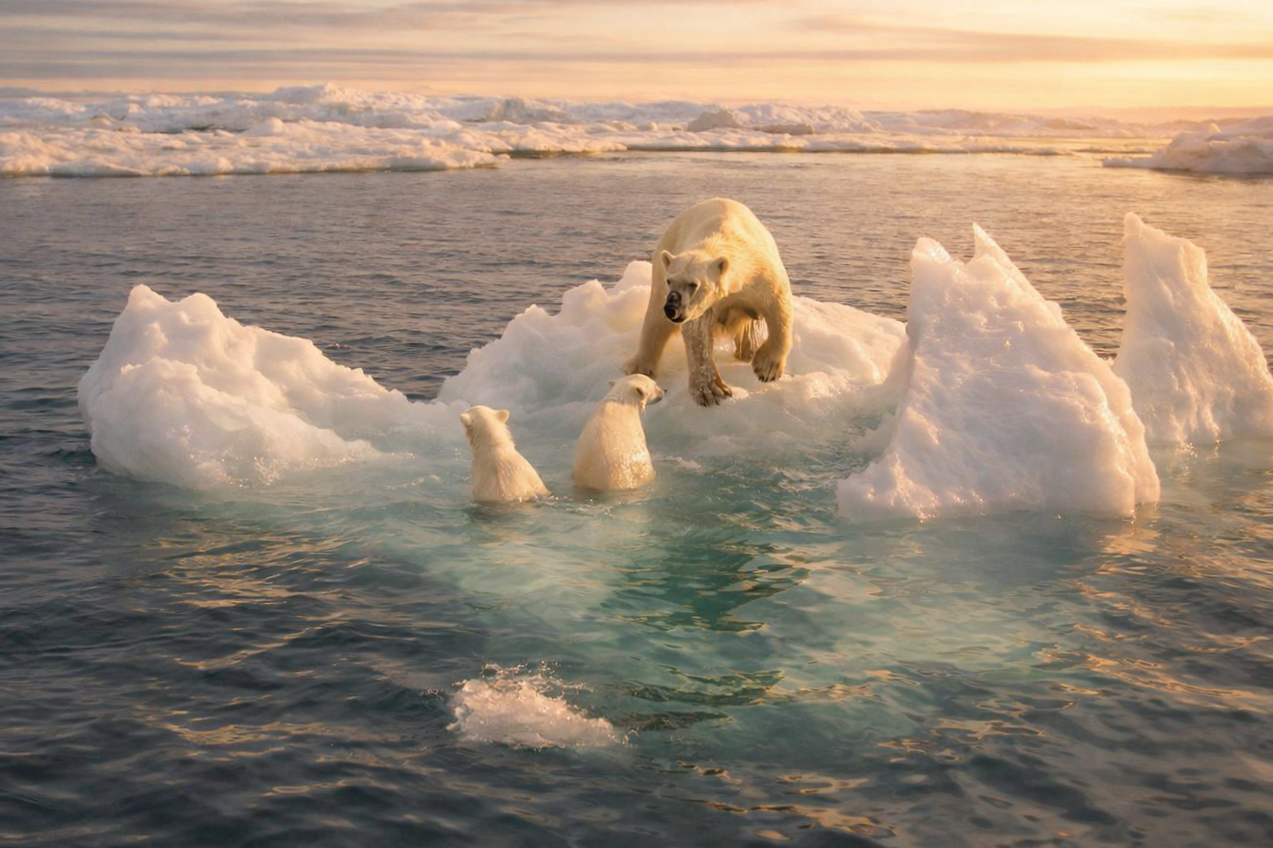
Greenland is not just a strategic territory or a mineral reserve. It is a signal that climate science, economic ambition, and national security are no longer separate conversations. They are intertwined. The ice melting in Greenland is not political; it is physical. What we choose to do in response is political, economic, and moral. The question is not whether development will occur, but how it will be governed.
Can resource extraction be managed with transparency and safeguards strong enough to protect what remains? Can security priorities coexist with ecological responsibility? Can long-term thinking outweigh short-term gain?
Greenland forces us to confront a reality: power in a warming world will increasingly lie where resources, routes, and resilience intersect. But power alone is not progress. Restraint, accountability, and thoughtful growth matter just as much. What happens in Greenland will not stay in Greenland — and neither will the standards we set there. The Arctic is no longer at the edge of the map; it is a preview of the choices shaping our future. Those choices are still ours to design. Let’s design them wisely.