
Hope Returns to the Amazon, and Gratitude Follows
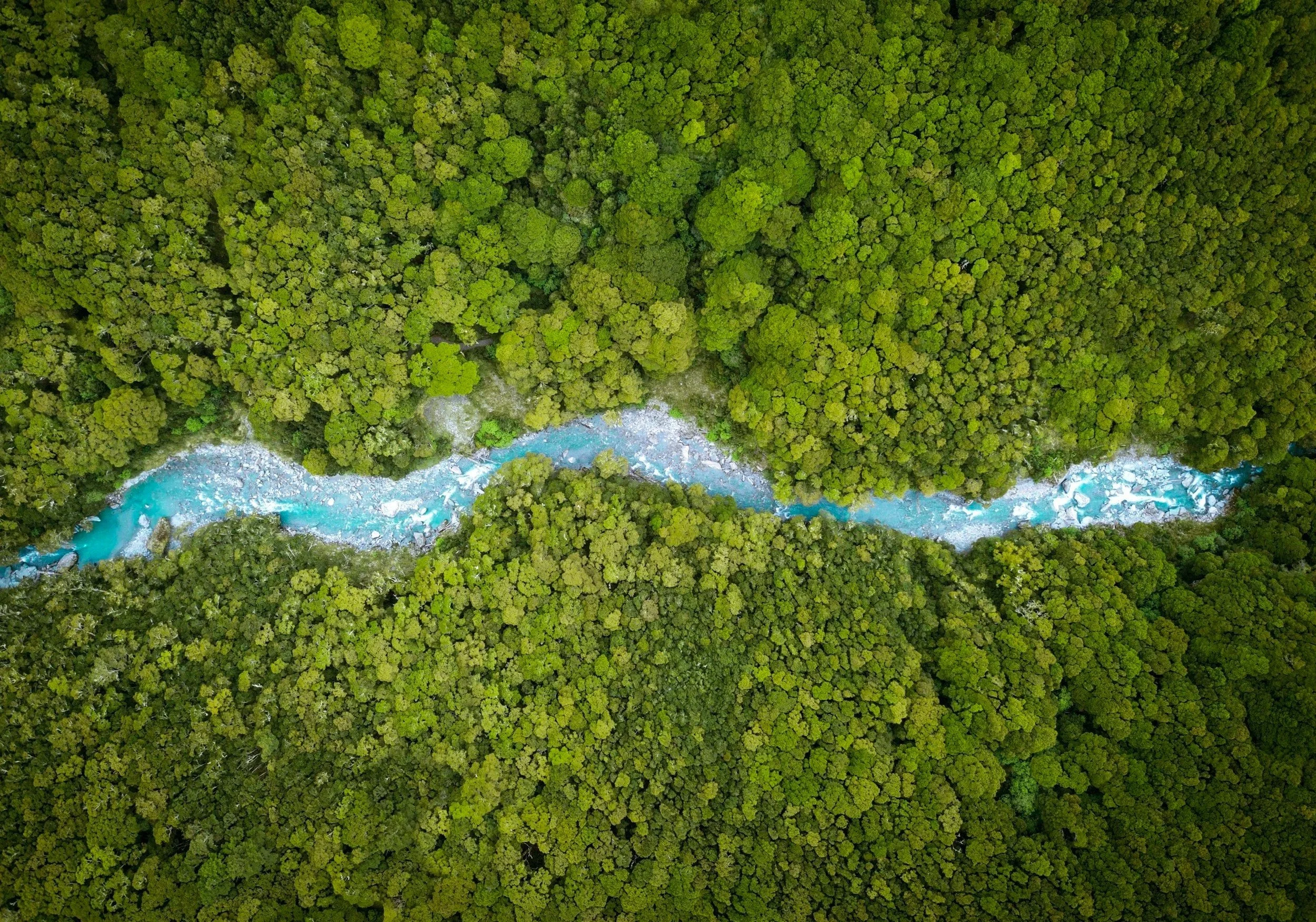
On Thanksgiving our gratitude feels closer to the surface, and our attention naturally turns to the places that sustain us in ways we rarely stop to acknowledge. The Amazon is one of them. Often described as the lungs of the Earth, it is a magical forest whose steady, unseen breath makes life far beyond its borders possible, and whose resilience feels especially worthy of gratitude this time of year. Vast and intricate in its influence, it shapes weather, stores carbon, harbors extraordinary biodiversity, and lends stability to entire climate systems.
This year the forest has offered something unexpected: quiet but meaningful indications that it is still capable of healing.
A Landmark Decision at COP30
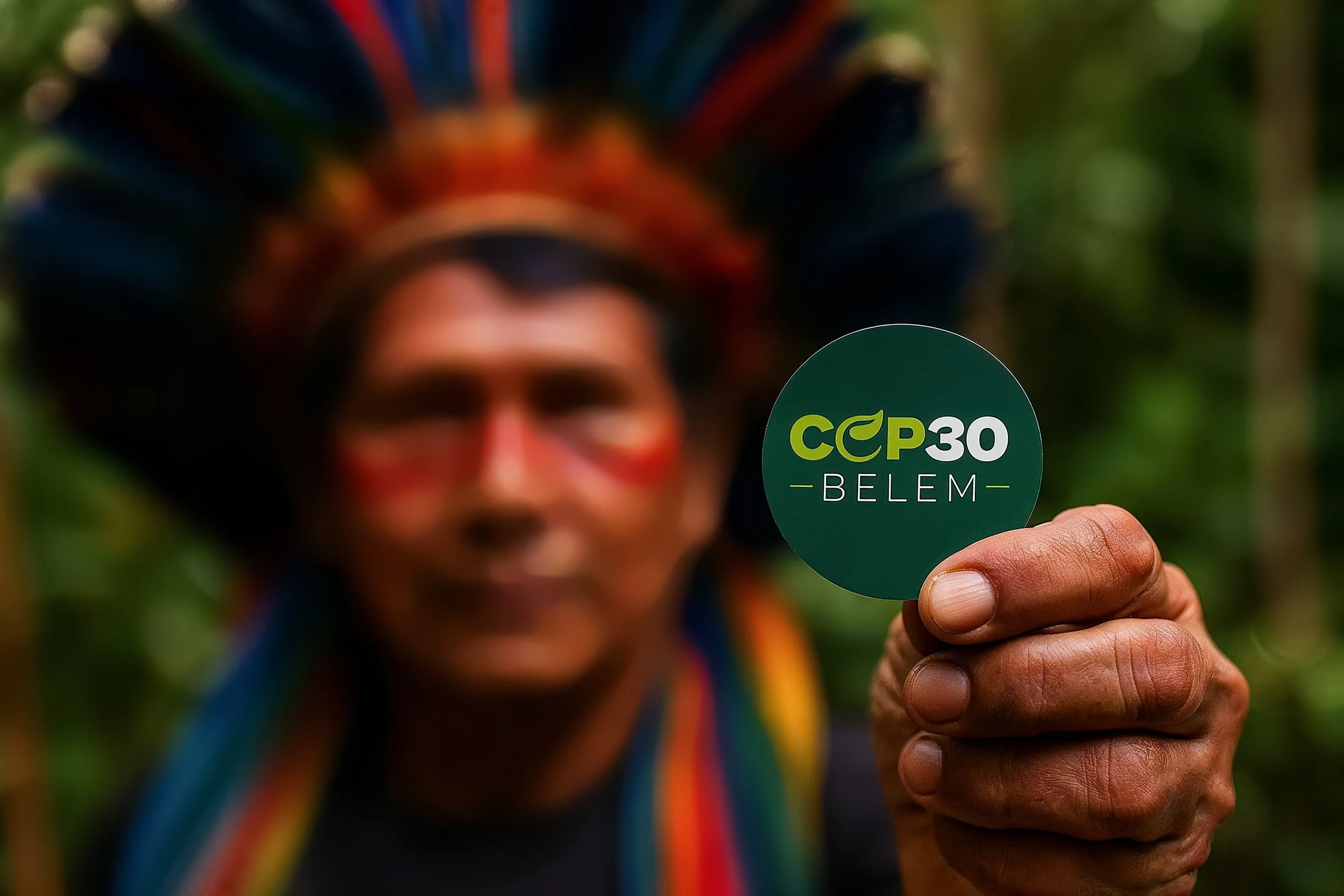
At COP30 (the 30th United Nations climate summit) which just ended in Belém, an event not without its complications, Brazil made one of the most important and symbolic announcements of the summit: the demarcation of ten new Indigenous territories. Demarcation is the legal process in Brazil through which land is formally recognized as Indigenous territory and brought under federal protection. It is one of the strongest land-protection mechanisms the country has.
When land becomes an Indigenous territory it cannot be sold, mined, or deforested. It cannot be absorbed by cattle ranchers, loggers, or agribusiness. Indigenous communities gain exclusive rights to live on, manage, and protect the land — a relationship that has safeguarded the Amazon for centuries. Research consistently shows that demarcated territories experience dramatically lower deforestation rates, fewer fires, higher biodiversity, and significantly better carbon storage. In effect, Indigenous-managed forests act as carbon shields.
This is why the announcement mattered far beyond the conference halls. Protecting Indigenous land protects the Amazon. And protecting the Amazon protects the planet. The rainforest stores an estimated 150 to 200 billion tons of carbon, produces roughly 20 percent of the world’s fresh water, stabilizes global weather systems, and houses nearly 10 percent of all known species on Earth. Deforestation accelerates emissions. Protection slows them. Demarcation remains one of the fastest, most cost-effective climate strategies available.
The Scale of What Was Secured
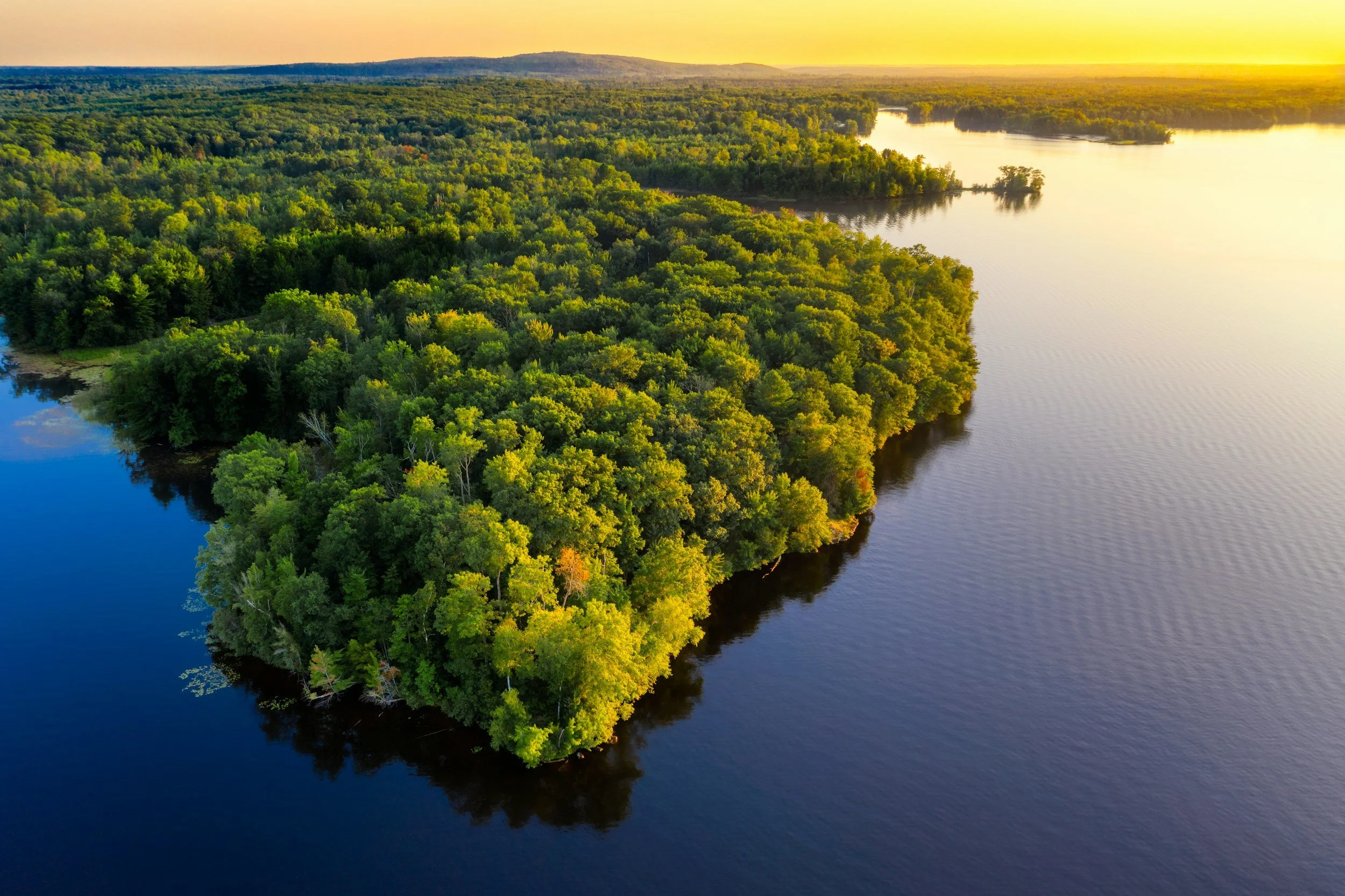
Several of the newly recognized territories had been waiting decades for formal recognition. Among those with published sizes: Sawré Ba’pim in Pará spans more than 150,000 hectares; Pankará da Serra do Arapuá covers over 15,000 hectares; Sambaqui encompasses nearly 2,800 hectares; and smaller territories like Ka’aguy Hovy and Ka’aguy Mirim add to the total. Though not all areas have been disclosed, the confirmed lands already exceed 170,000 hectares. When all ten are accounted for, they likely represent several hundred thousand hectares. How large is that? An area comparable to the size of Rhode Island, or more than six hundred Central Parks.
What this expansion represents, above all, is sheer scale. Bringing several hundred thousand hectares under permanent protection is not a symbolic gesture—it is a meaningful shift in the balance between preserved and vulnerable forest. Each hectare kept intact influences rainfall, biodiversity, and carbon storage across a region where small losses can have outsized effects.
Deforestation Slows, and a Forest Responds
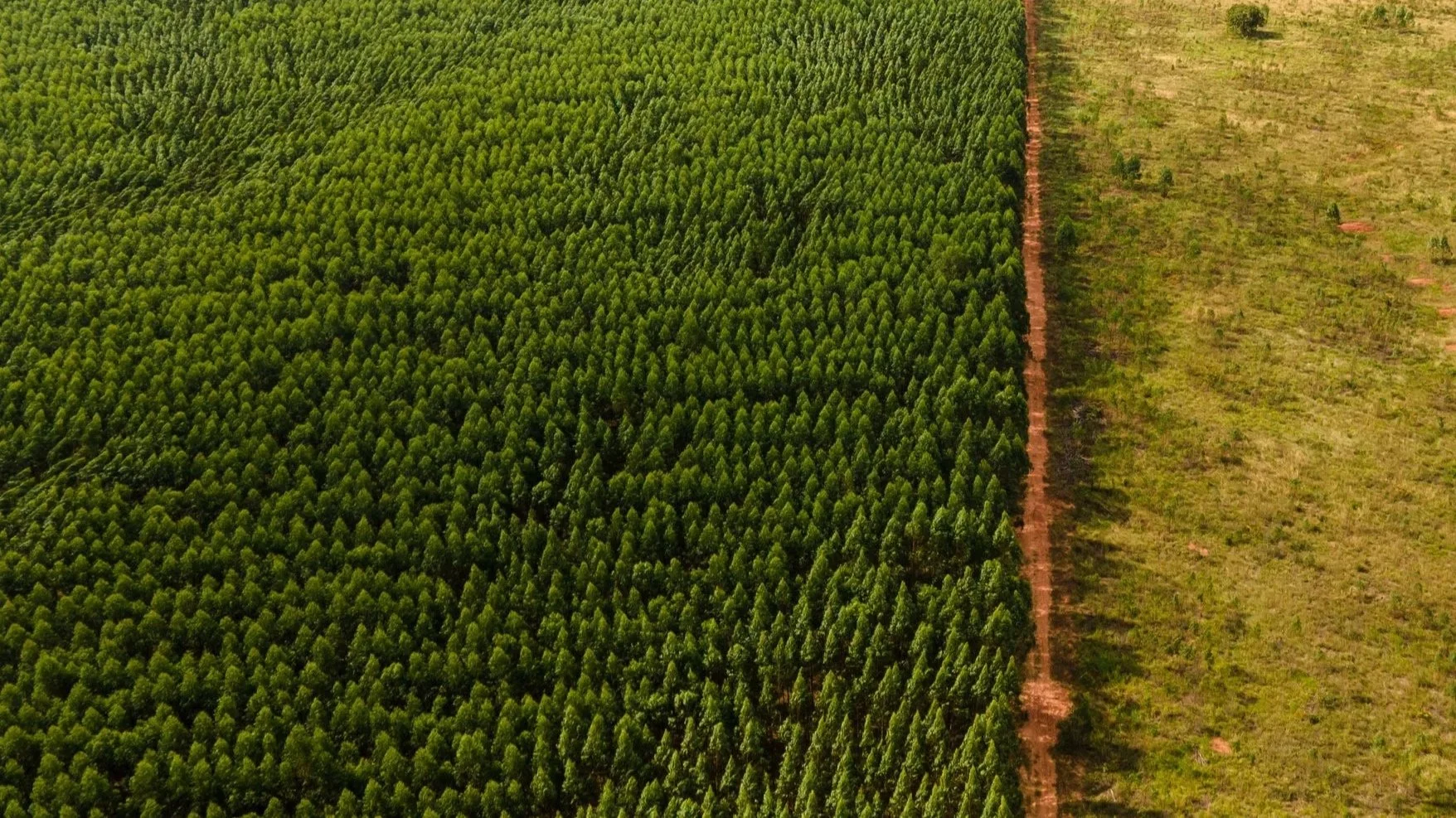
Alongside this shift, deforestation across the Brazilian Amazon has fallen to an eleven year low. After years of intensifying threats — fires, land grabs, and political instability, this downturn is a meaningful signal. It suggests that enforcement, monitoring, and renewed environmental priorities are beginning to make a measurable difference. Most importantly, it means that more of the forest remains intact: millions of trees continuing to cool the atmosphere, cycle water, and anchor one of the most complex ecosystems on Earth.
And science reinforces the broader picture. Long-term studies in undisturbed areas show that many mature Amazonian trees are increasing in biomass, storing more carbon and adapting in ways that challenge earlier assumptions about vulnerability. These findings hint at a forest that, when protected, doesn’t merely hold on, it recalibrates, adjusts, and persists. That adaptation is subtle, almost invisible day-to-day, but profound in its implications. The Amazon is not a static backdrop to the climate crisis; it is an active, responsive system with its own capacity for resilience.
Gratitude for a Forest Still Capable of Healing

None of this negates the challenges that remain. Large swaths of the forest are still threatened by illegal clearing and fire. But taken together, these developments point to something essential: the Amazon has not crossed into inevitability. It still has a chance. And in a year when hopeful stories have felt in short supply, that fact carries real weight.
At Thanksgiving, it feels fitting to reflect on that. Not as a celebration or a declaration of victory, but as an acknowledgment of a forest that continues to breathe, adapt, and endure. The Amazon’s resilience is not guaranteed, but it is real. And this year, this may be one of the most grounding expressions of gratitude we have.